
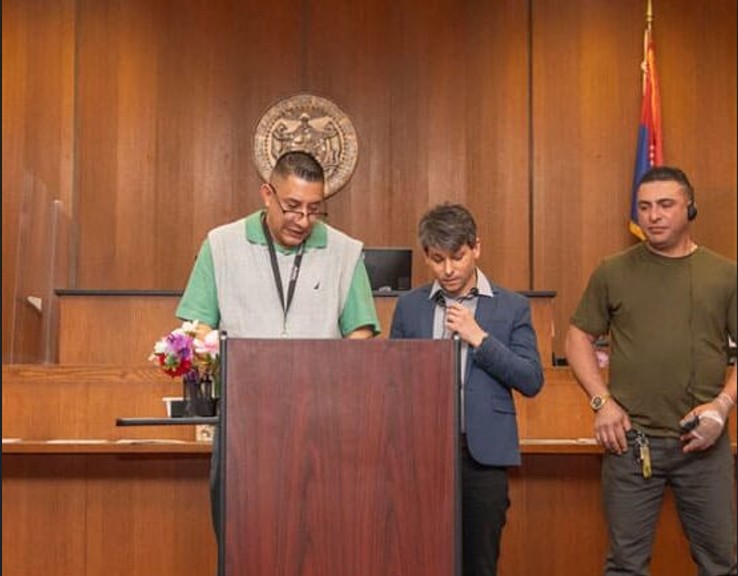
Kansas City Wellness Court: Eligibility Requirements and Program Benefits
Charged with a crime, a life can change in a flash. Court dates, legal bills and worry might all hit at the same time. But not every case should end in jail or long term punishment. Sometimes the real problem is more complex. “This behavior could be a result of substance use, mental health issues, unstable living situations. That’s where Wellness Court comes in. Wellness Court is part of the larger Kansas City Specialty Courts system and focuses on healing, accountability and long-term success. The goal is simple: help people confront the issues that brought them into the legal system and make communities safer. Organizations like Beyond the Bench KC fulfill this objective by educating the public about Specialty Courts and their role in helping participants achieve healthier, more stable lives.
Wellness Court
Wellness Court is an organized court program for qualifying individuals with criminal cases related to substance use disorders, mental health concerns, or both. The method mixes treatment, supervision and regular court evaluations rather than relying primarily on traditional penalties. Participants work in close contact with judges, counselors, probation officials and therapy providers. Imagine a map. Accountability is the goal, but treatment helps you get there. The participants had to observe rigorous guidelines. They go to counselling, follow treatment regimens, get tested as required and regularly appear in court. It’s not a simple program. That’s the thought. It takes commitment and personal responsibility.
Who Is Eligible for Wellness Court?
A number of variables determine eligibility. Each case is looked at on its own. Requirements may differ but generally include:
- A criminal offense related to substance use or mental health
- Willingness to participate in treatment
- No history of specific violent offenses
- A need for formal support services
- Court Official and Program Staff Approval
Not everyone qualifies. Others may be referred to alternative programs that are more appropriate for their condition. The court will consider criminal history, current charges, treatment needs and overall risk factors before making a decision.
The importance of eligibility
You may ask, why such a comprehensive screening process? Here’s the deal. Wellness Court is best used when participants get treatments that fit their individual needs.” A rigorous examination helps ensure the program serves the proper individuals. It’s like a doctor doing a treatment plan. Everyone needs different kinds of help. That thorough matching helps enhance results and decreases reoffending.
What Happens After Acceptance
When approved, individuals enter a structured program, frequently lasting many months. The process usually involves:
Treatment Services
Participants attend counseling sessions, therapy sessions, support groups, and other approved activities. Treatment is about changing habits to be healthier and working on the fundamental reasons.
Court Appearance
Participants meet with the judge during the program. These reviews help to track progress and ensure accountability.
Alcohol and Drug Testing
Testing may be necessary during participation. The purpose is to assist in recovery and meet program requirements.
Setting Goals
Many members work toward job, education, stable housing, and family relations. Recovery can impact all aspects of life.
More Than Not Going to Jail
There is a misconception about Wellness Court. There are many who think that it is just a more direct route via the court system. It is not. The participants are quite ambitious. Penalties for missed appointments, failed tests and recurrent infractions. The distinction is that Wellness Court targets the root causes of criminal conduct. As those concerns improve, future problems tend to diminish as well. That’s a big plus for both parties and the community as well.
Key Benefits of Wellness Court
The benefits go well beyond the courtroom.
Treatment Access
Many participants receive services that they otherwise might not have received. Treatment for mental health and substance use can lead to enduring transformation.
Re-offense Rate Decreased
Evidence repeatedly suggests that treatment focused programmes can reduce re-offending rates. Future legal trouble is often less likely when the core issues improve.
Better Family Ties
Recovery typically rebuilds trust with loved ones. Parents, spouses and children often benefit from the good changes made in treatment.
Improved Employment Opportunities
Participants typically acquire life skills that help them maintain a steady job and stay financially stable. A steady salary can make a big difference.
Self Development
Many graduates say they feel more confident, make better decisions and have a greater sense of purpose. Those changes last long after the program is over.”
The Value of Community Support
Recovery is not a solo endeavor. Family, treatment providers, businesses, and community organizations can offer meaningful support. That’s why Beyond the Bench KC is seeking to raise awareness of Kansas City’s Specialty Courts. Public understanding helps strengthen these initiatives and promote long-term success for participants. When communities encourage recovery, everyone wins.
A Different Way Forward
Wellness Court provides a structured program for people who are ready to make substantial changes. It mixes treatment and support with accountability. The program is difficult. It requires participants to work every day. But many find the work worthwhile. Wellness Court can be a chance to tackle underlying concerns, reduce potential legal problems, and create a healthier future for those who qualify. Sometimes justice is more than punishment. Sometimes it involves helping people make changes that stick.
Common Questions
1. What is the purpose of the Kansas City Wellness Court?
Short Answer: The aim is to deal with the root causes of criminal behaviour.
Detailed Answer: Wellness Court is a combination of treatment, supervision and accountability. The program helps individuals cope with substance use disorders, mental health issues, and associated problems, while reducing future engagement with the criminal justice system.
2. Who is eligible to apply to Wellness Court?
Short Answer: Eligibility is based on the person’s charges, history and treatment needs.
Detailed Answer: Court authorities assess each case on a case by case basis. Factors can include criminal background, current charges, willingness to engage and the nexus of the offense and behavioral health difficulties.
3. What is the length of the Wellness Court program?
Short answer: It depends on the person’s well-being.
Detailed Answer: Most of the participants stay in the program for several months or longer. Completion is based on completing treatment goals, court requirements, and demonstrating sustained progress.
4. Is Wellness Court a substitute for traditional punishment?
Short answer: It offers a different method, but accountability remains core.
Detailed Answer: Participants must obey tight restrictions and attend regular court reviews. The focus now is on therapy and recovery, but people still have to be held accountable for their actions.
5. What are the greatest benefits of Wellness Court?
Short answer: Treatment, stability, fewer repeat offenses.
Detailed Answer: Participants receive support services, counseling and life-skills development. Many strengthen family connections, keep jobs, and lead healthier lifestyles for long-term success.