
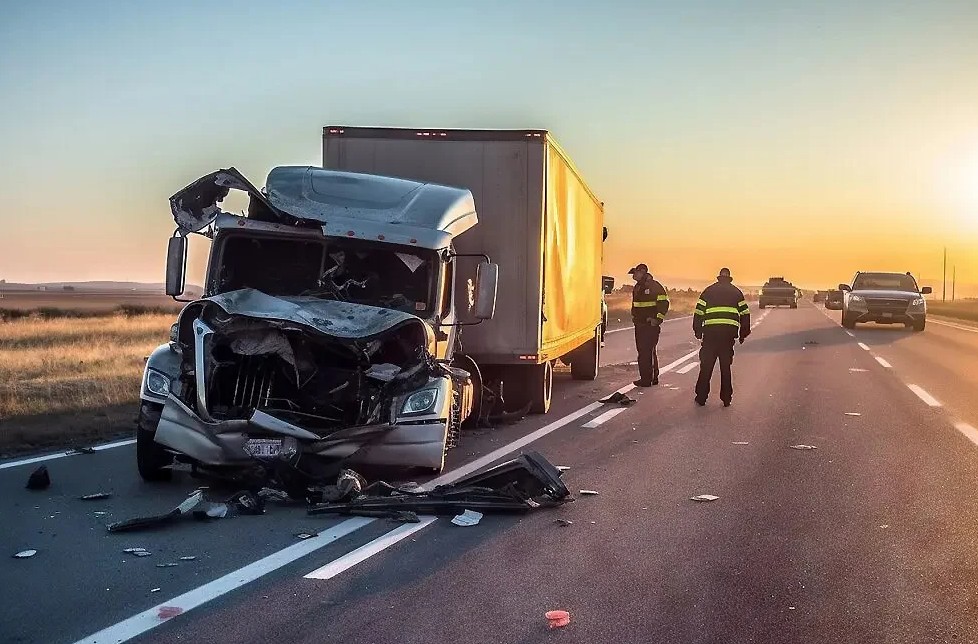
Personal Injury Lawyer in Houston, Texas: Truck Accident Claims Involving Commercial Cargo
A truck crash looks simple from the road. One truck, one impact, one police report. But when cargo is part of the story, the claim gets messy fast. A loaded commercial truck is not just a vehicle. It is a moving chain of decisions—who packed it, who weighed it, who checked straps, who signed the route sheet, and who let it leave the yard. If one link fails, the damage can spread in seconds. That matters in Houston because freight traffic never really slows. Tankers, flatbeds, and box trucks move through the city every hour. A small cargo mistake on a busy road can turn into a huge injury claim before anyone even understands what happened. That is why many injured people speak with a Schechter, Shaffer & Harris, LLP – Accident & Injury Attorneys Houston personal injury lawyer soon after a wreck. The firm has handled serious truck injury cases in a city where freight traffic is part of daily life.
When cargo turns a normal wreck into a bigger legal fight
A passenger car crash usually points to driver error first. A cargo case often opens three more doors.
Was the load too heavy?
Did boxes shift during a turn?
Was steel tied down the wrong way?
A truck can lose control even when the driver brakes at the right time. A shifted load changes balance like a backpack sliding off one shoulder while you run. One side pulls harder. The truck leans. Then it tips.
Cargo trouble often appears in cases involving:
- loose pipes or steel beams
- spilled fuel drums
- broken pallet stacks
- overloaded trailers
- freight packed above legal height
Each one creates a different legal path. Some claims point to the trucking company. Some point to a shipping crew. Some involve a third-party warehouse that loaded the trailer hours before the crash. And yes, they often blame each other.
Who may actually be responsible? It is not always the driver
People often assume the driver pays for the damage. That happens sometimes, but cargo claims rarely stop there. A commercial driver may not even touch the freight. In many runs, a warehouse team seals the trailer before pickup. The driver gets paperwork and leaves.
If that load shifts later, fault may fall on:
- the freight company
- the loading dock crew
- the trucking carrier
- the trailer owner
- a parts maker if straps or locks failed
That last one surprises people. A broken tie-down chain can matter just as much as a bad lane change. If hardware snaps under normal use, product fault enters the case. A strong injury claim looks at every contract tied to that truck. Bills of lading, cargo logs, scale tickets, and route notes all help tell the real story.
Proof disappears fast—sometimes within days
Here is the hard part: truck companies move quickly after a crash. They often send response teams early. Photos get taken. Logs get reviewed. Internal reports begin before injured drivers leave the hospital. That means outside proof must be gathered early too.
A lawyer often asks for:
- black box data
- trailer weight records
- loading dock footage
- driver rest logs
- cargo securement reports
- inspection records
Federal freight rules matter here too. The Federal Motor Carrier Safety Administration sets cargo securement rules for commercial carriers. If those rules were ignored, that can strengthen a claim. A missing strap may sound minor. In court, it can mean negligence. Honestly, little details win truck cases more than dramatic ones.
Houston roads make cargo risks worse
Some cities see truck crashes mostly near highways. Houston spreads risk across feeder roads, port traffic lanes, and industrial routes. That changes how crashes happen. A cargo shift on a wide interstate often causes rollovers. In city traffic, it may push a truck into the next lane during a slow turn. Near shipping routes, container loads create another issue—uneven balance. Think of carrying groceries when one bag weighs much more than the other. You adjust without thinking. A truck cannot do that quickly, especially during braking. That is why claims near freight corridors often need road design review too. Rain matters as well. Even light water on pavement changes stopping distance for loaded trucks.
Why claim value often rises in cargo cases
Cargo claims usually involve larger insurance policies. Commercial carriers often carry higher limits than regular drivers. That sounds good, but insurers fight harder when the numbers rise.
They may argue:
- the injured person changed lanes too late
- cargo played no part
- the injury existed before the crash
- another company should pay instead
This back-and-forth delays payment. A legal team that knows freight records can cut through that faster. Schechter, Shaffer & Harris, LLP – Accident & Injury Attorneys often handles cases where several insurers argue over one truck collision. That matters because medical bills do not pause while companies argue.
A small point people miss: cargo photos matter a lot
If safe, photos help more than many people expect. Not just the damaged car—take photos of the truck load too. Tilted pallets, torn straps, spilled freight, open trailer doors. Those details fade fast once cleanup starts. Even skid marks help. You know what? A single phone photo can later match loading errors in shipping logs. That happens more often than people think.
FAQs About Truck Accident Claims Involving Commercial Cargo
1. Can I file a claim if cargo fell from a truck but the truck never hit my car?
Yes. A direct hit is not required.
If cargo caused you to brake, swerve, or crash, the freight event may still support a claim. Road debris from a commercial truck often points back to poor load security.
2. Does federal trucking law matter in a local Houston case?
Yes, very much.
Federal cargo rules often shape fault. If a carrier ignored securement standards, that may support negligence in a Texas injury case.
3. Who pays if a warehouse loaded the truck wrong?
The warehouse may share fault.
A trucking company, cargo contractor, and loading crew can all appear in one claim. Each role gets reviewed through shipping records and contracts.
4. How long should I wait before speaking to a lawyer?
Do not wait long.
Truck data can vanish. Camera footage gets erased. Logs change hands quickly. Early review protects proof.
5. Why are cargo claims slower than normal crash claims?
More parties are involved.
A regular car wreck may involve two insurers. A cargo crash can involve carriers, freight brokers, trailer owners, and warehouse insurers at the same time.
Final thought
Truck cargo claims look ordinary at first glance, then layers appear. A strap slips. A load shifts. A paper trail starts pointing in five directions. That is why early legal practice review matters—especially in Houston, where freight traffic never really leaves the road