Top 15 Dangerous Animals in The Philippines (With Images)
When you think of the Philippines, stunning beaches and lush jungles may come to mind — but did you know that these picturesque settings are also home to some dangerous animals? With its diverse ecosystems, the Philippines has a variety of wildlife that can be both awe-inspiring and deadly.
In this article, we will shed light on these dangerous animals in the Philippines and highlight their significance within their habitats. By understanding these creatures, you’ll be better prepared to explore the islands while respecting the natural world around you.
List of Dangerous Animals in The Philippines
Below is the list of animals that are dangerous in Philippines:
| Number of Animals | Most Dangerous Animals in the Philippines |
| 1 | Saltwater Crocodile |
| 2 | Philippine Cobra |
| 3 | Bull Shark |
| 4 | Box Jellyfish |
| 5 | Titan Triggerfish |
| 6 | Lionfish |
| 7 | Centipede |
| 8 | Stonefish |
| 9 | Yellow-Lipped Sea Krait |
| 10 | Cone Snail |
| 11 | Mosquito |
| 12 | Wild Boar |
| 13 | Scorpion |
| 14 | Black Widow Spider |
| 15 | Blue-Ringed Octopus |
Saltwater Crocodile
Class: Reptilia
Diet: Carnivore
The saltwater crocodile, known scientifically as Crocodylus porosus, reigns as the largest living reptile on the planet and is a formidable predator in the waters of the Philippines. This apex predator is not just a creature of brute strength; its adaptability to both freshwater and saltwater environments allows it to thrive in diverse habitats, from mangrove swamps to coastal areas. With an impressive length that can exceed 20 feet, these ancient reptiles are equipped with a powerful bite that exerts immense pressure, making them capable of taking down prey much larger than themselves.
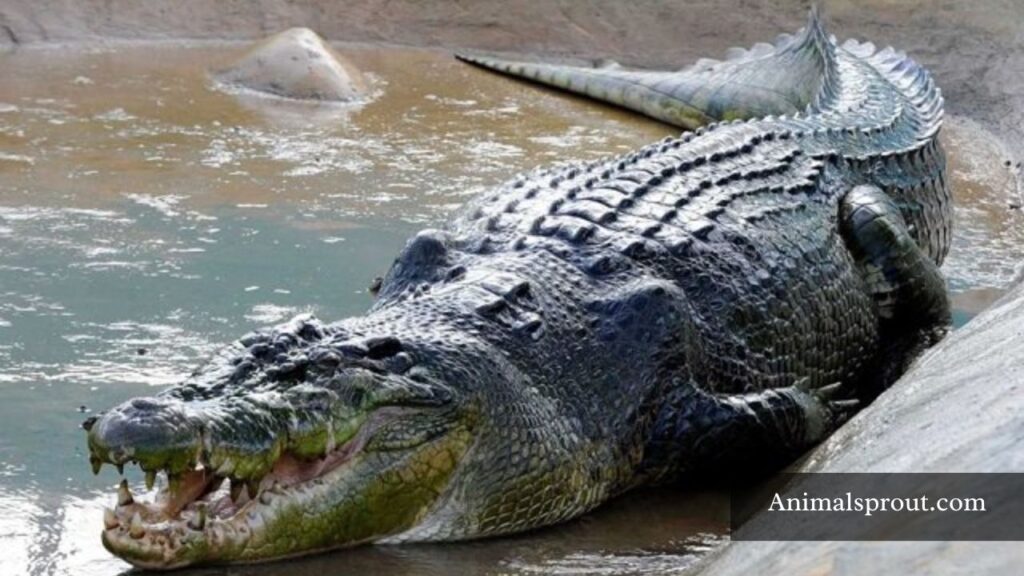
What makes the saltwater crocodile particularly intriguing is its complex behavior and social structure. Unlike many reptiles, they exhibit a degree of parental care, protecting their nests and young with fierce dedication. This nurturing side contrasts sharply with their fearsome reputation, providing a glimpse into the nuanced life of a creature that has existed for millions of years. While encounters with humans can be deadly, understanding their role in the ecosystem reveals the importance of coexistence and conservation. As human encroachment continues to threaten their habitats, it becomes crucial to appreciate these magnificent creatures not just as dangers to avoid but as vital components of the Philippines’ rich biodiversity.
Philippine Cobra
Class: Reptilia
Diet: Carnivore
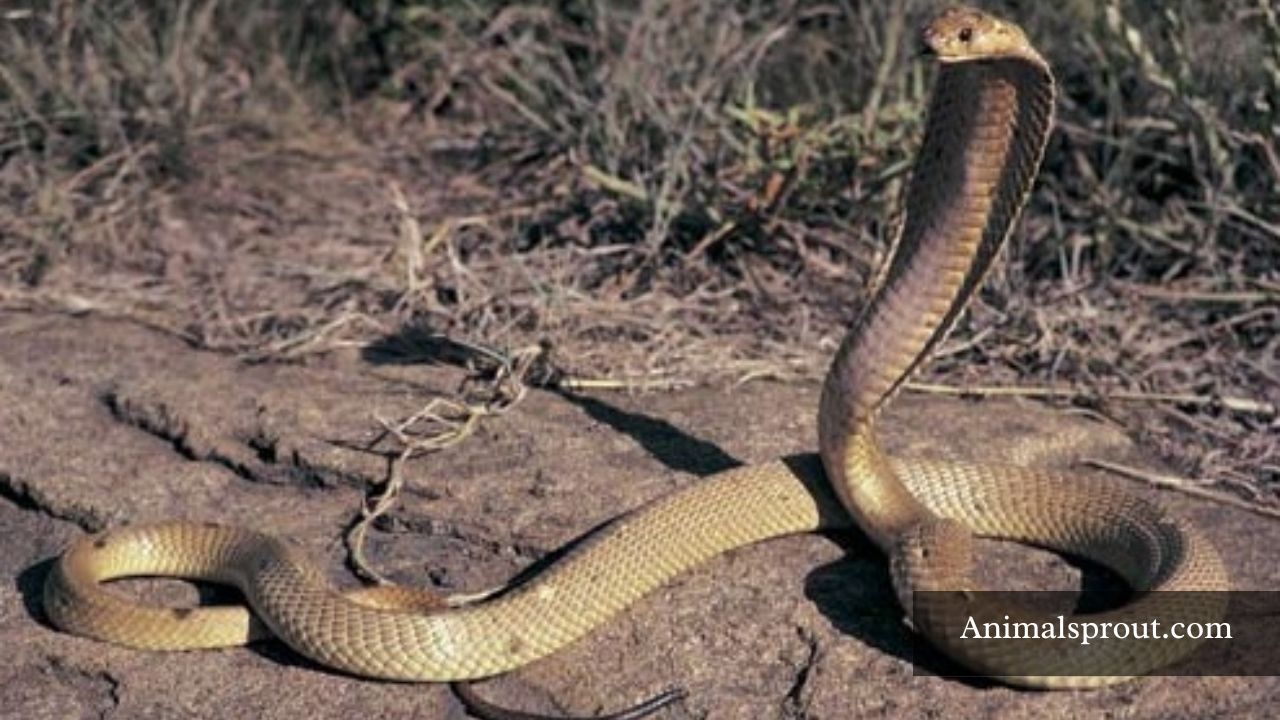
The Philippine Cobra, scientifically known as Naja philippinensis, is not just another snake; it’s a master of both beauty and danger. With its striking olive to brown coloration and the ability to expand its hood when threatened, this serpent is a stunning yet fearsome sight in the wild. Found primarily in the lowland forests and agricultural areas, it plays a crucial role in controlling the rodent population, showcasing nature’s delicate balance.
But don’t let its captivating appearance fool you. The Philippine Cobra is one of the world’s most venomous snakes, with a venom that can cause respiratory failure within hours. Its potent neurotoxins make it a formidable predator, able to deliver a lethal bite even from a distance. Interestingly, this species is also known for its ability to spit venom, aiming for the eyes of potential threats — an adaptation that adds a layer of intrigue to its already fascinating behavior.
Bull Shark
Scientific Name: Carcharhinus leucas
Class: Chondrichthyes
Diet: Carnivore
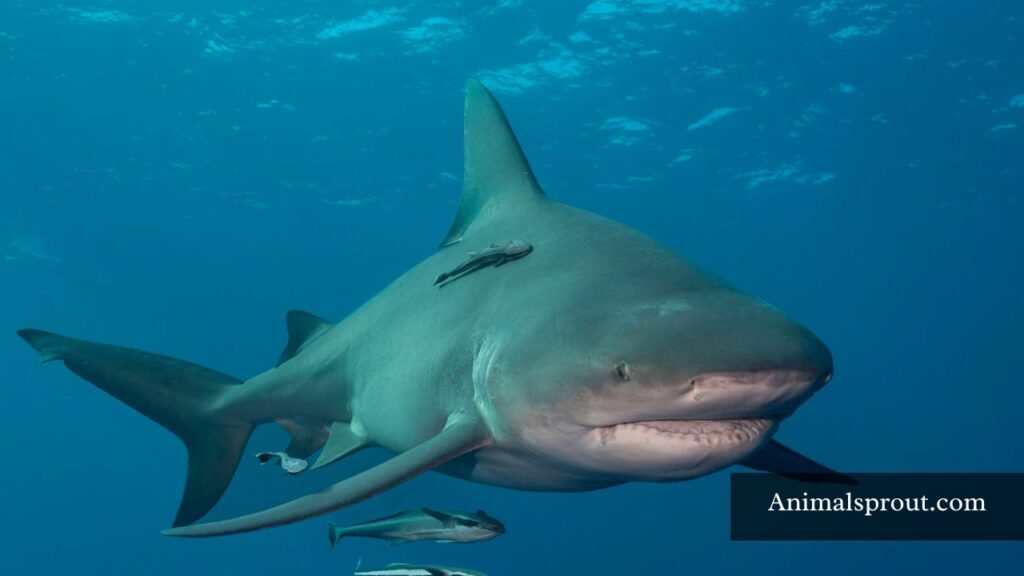
Bull sharks are among the most formidable predators lurking in the waters of the Philippines, known for their aggressive nature and adaptability to both saltwater and freshwater environments. What sets them apart is their ability to travel up rivers, making them a common sight in areas where few would expect to encounter such a fearsome creature. This unique trait allows them to thrive in diverse habitats, from the bustling shores of Cebu to the serene lakes of Mindanao, raising concerns about human interactions as they venture closer to populated areas. Bull sharks exhibit aggressive behavior, especially when provoked or protecting their territory. With powerful jaws lined with serrated teeth, they can inflict serious damage in mere seconds.
Box Jellyfish
Class: Cubozoa
Diet: Carnivore
The Box Jellyfish, known scientifically as Chironex fleckeri, is one of the most venomous creatures lurking in the warm waters surrounding the Philippines. Its translucent, cube-shaped body can be nearly invisible to the naked eye, making it a stealthy predator and an unsuspecting danger for beachgoers. The jellyfish’s long tentacles, adorned with thousands of stinging cells, can deliver a venomous blow that causes excruciating pain, paralysis, and in extreme cases, even death. Interestingly, this creature has been around for millions of years, evolving to thrive in coastal regions where human interaction is inevitable.
What sets the Box Jellyfish apart from other marine dangers is not just its potent venom but also its remarkable sensory capabilities. Equipped with a complex array of eyes — up to 24 — this jellyfish can navigate its environment with surprising agility. This means that while it floats through the waters, it may be actively avoiding predators and seeking prey, making it both fascinating and fearsome. For those who enjoy the ocean’s beauty, awareness and respect for this creature are essential; understanding its habits can help prevent encounters that might lead to life-threatening situations. As tourism grows in the Philippines, enhancing public knowledge about the Box Jellyfish could safeguard both locals and visitors, ensuring that the ocean remains a source of wonder rather than a threat.
Titan Triggerfish
Scientific Name: Balistoides viridescens
Class: Actinopterygii
Diet: Omnivore
The Titan Triggerfish is a stunning yet formidable inhabitant of the vibrant coral reefs surrounding the Philippines. With its striking coloration and unique body shape, it captures the attention of divers and snorkelers alike. However, beneath this captivating exterior lies a fierce protector of its territory. The Titan Triggerfish can exhibit aggressive behavior, especially during breeding season when it fiercely defends its nest against perceived threats, including unsuspecting humans. This fish can deliver a powerful bite, capable of injuring divers who venture too close, making it essential for underwater enthusiasts to maintain a respectful distance.
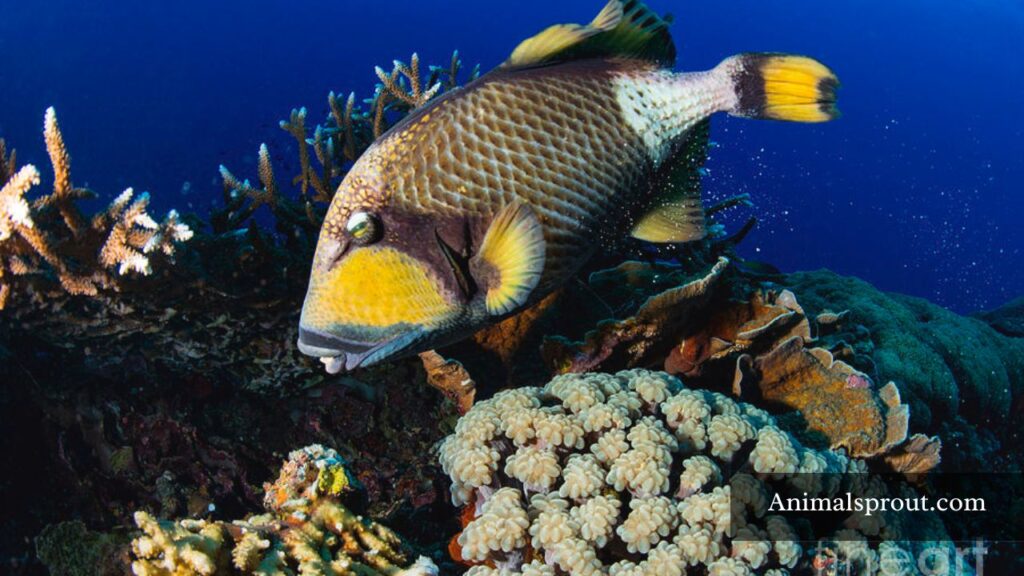
Interestingly, the Titan Triggerfish’s aggression serves as a reminder of the delicate balance within marine ecosystems. Their role in maintaining the health of coral reefs is crucial; they feed on algae and help control its growth, allowing for a diverse array of marine life to thrive. As climate change and human activities threaten these ecosystems, understanding and respecting the behaviors of such species becomes vital for conservation efforts.
Lionfish
Scientific Name: Pterois volitans
Class: Actinopterygii
Diet: Carnivore
The lionfish, with its striking appearance and venomous spines, is one of the most fascinating yet dangerous creatures lurking in the waters of the Philippines. Its vibrant red, white, and brown stripes make it a stunning sight for divers, but this beauty masks a deadly capability. Native to the Indo-Pacific, the lionfish has become an invasive species in many regions, including parts of Southeast Asia, where it poses a significant threat to local marine ecosystems. Their voracious appetite allows them to outcompete native fish for food, leading to a decline in biodiversity that can ripple through the entire aquatic food web.
What makes the lionfish particularly alarming is its resilience and adaptability. They thrive in various environments, from coral reefs to coastal lagoons, making them difficult to control. Moreover, their venomous spines can deliver a painful sting to unwary swimmers or divers, causing severe discomfort and requiring medical attention.
Centipede
Class: Chilopoda
Diet: Carnivore
The centipede, often overlooked in discussions about dangerous wildlife, is a remarkable creature that commands both fear and respect in the Philippines. With its elongated body and numerous legs, this arthropod moves with a speed that can startle even the most seasoned adventurer. What many may not realize is that the Philippine centipede is not just a quick mover; it possesses venomous fangs that can deliver a painful bite. While most encounters with these creatures result in mild discomfort, for those allergic or sensitive to their venom, the experience can escalate into a serious medical concern.
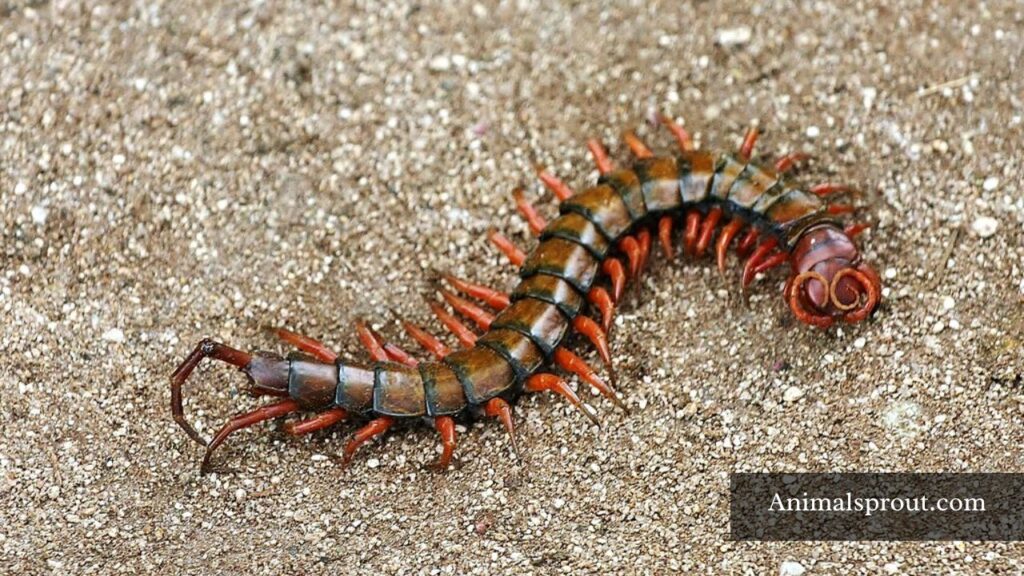
Beyond their painful sting, centipedes play an essential role in the ecosystem as predators, helping control populations of insects and other small pests. Their presence in a habitat indicates a healthy environment, yet they are often met with fear and aversion.
Stonefish
Scientific Name: Synanceia verrucosa
Class: Actinopterygii
Diet: Carnivore
The stonefish, a master of disguise, lurks on the sandy ocean floors of the Philippines, blending seamlessly with its surroundings. Its mottled appearance mimics the rocks and corals, making it nearly invisible to unsuspecting swimmers and divers. This remarkable camouflage not only protects the stonefish from predators but also positions it as a formidable ambush predator, ready to strike at passing prey with lightning speed.
What sets the stonefish apart is its venomous spines — some of the most toxic in the world. A single sting can result in excruciating pain, swelling, and even paralysis, making it a creature to respect rather than fear. Interestingly, despite its deadly reputation, the stonefish plays a crucial role in the marine ecosystem.
Yellow-Lipped Sea Krait
Scientific Name: Laticauda colubrina
Class: Reptilia
Diet: Carnivore
The Yellow-Lipped Sea Krait, a strikingly beautiful yet venomous snake, thrives in the warm waters surrounding the Philippines. With its distinct yellow lips and banded body, this creature is not just a marvel of nature but also a reminder of the delicate balance between beauty and danger in marine ecosystems. Unlike many terrestrial snakes, the Yellow-Lipped Sea Krait is uniquely adapted to life in the ocean, possessing the ability to breathe air while spending much of its time underwater hunting for eels and other prey. Its streamlined body allows for agile movement, making it a proficient predator that commands respect in its underwater domain.
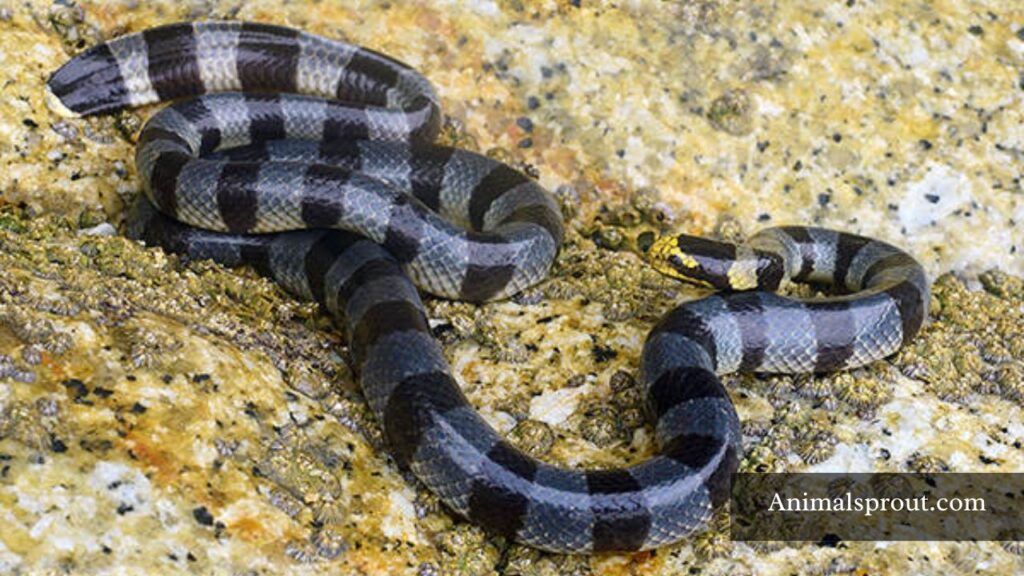
What sets the Yellow-Lipped Sea Krait apart is not just its venomous bite but also its surprising behavior. It is known to venture onto land, particularly during mating season or when basking in the sun, which can catch unwary beachgoers off guard. While its venom is potent enough to subdue prey, attacks on humans are rare, as these snakes tend to avoid confrontation.
Cone Snail
Class: Gastropoda
Diet: Carnivore
The cone snail, a seemingly innocuous inhabitant of the Philippines’ vibrant coral reefs, harbors a lethal secret beneath its beautifully patterned shell. With over 500 species worldwide, these marine mollusks wield a venomous harpoon capable of delivering a toxic cocktail that can paralyze or even kill unsuspecting prey — and humans. Their venom contains a complex mixture of neurotoxins, some of which are being researched for potential medical applications, including pain management and neurological disorders. This duality of beauty and danger makes the cone snail a fascinating subject for both scientists and thrill-seekers alike.
While encounters with these creatures are rare, the consequences can be severe. A sting from a cone snail can lead to respiratory failure, paralysis, or even death within hours if left untreated. This risk is particularly pertinent for those exploring the Philippines’ stunning underwater landscapes, where divers and snorkelers may inadvertently come too close.
Mosquito
Scientific Name: Culex pipiens
Class: Insecta
Diet:
Males: Nectar (Herbivore)
Females: Blood (Hematophagous/Carnivore)
Mosquitoes in the Philippines are more than just pesky nuisances; they are vectors of serious diseases that pose a significant public health threat. The warm, tropical climate creates an ideal breeding ground for these insects, making them prevalent year-round. Dengue fever, chikungunya, and Zika virus are just a few of the diseases transmitted by mosquitoes in this archipelago. Each year, thousands fall ill, and communities face the burden of outbreaks that can overwhelm local healthcare systems.
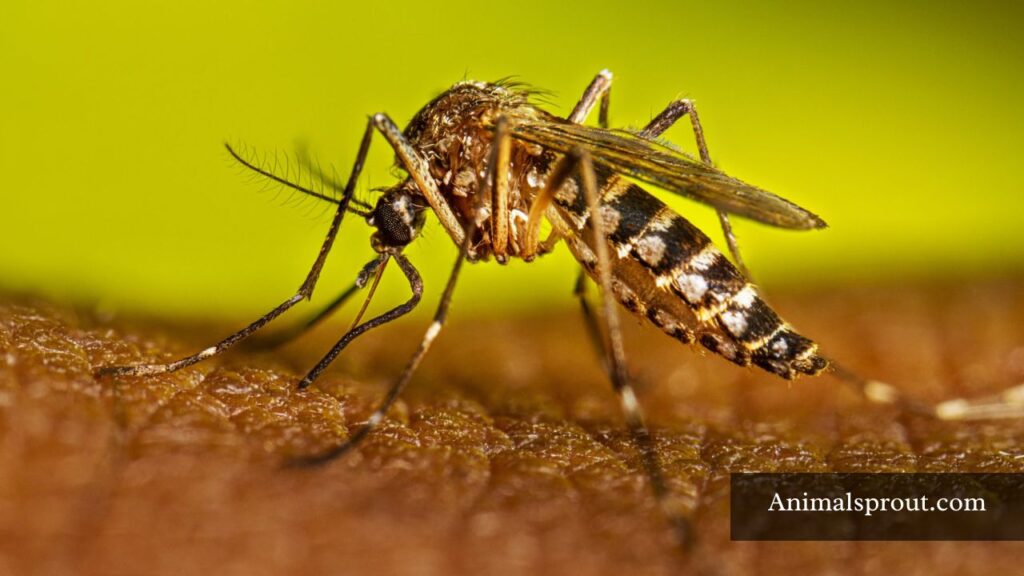
What’s particularly alarming is the adaptability of these tiny creatures. They thrive in urban areas, often breeding in stagnant water found in discarded containers or clogged drains. This means that even in bustling cities like Manila, where one might expect some level of control, mosquitoes can proliferate unchecked. Awareness and prevention efforts are crucial, but many people remain unaware of how to protect themselves effectively. Simple measures, such as using insect repellent and wearing long sleeves, can significantly reduce the risk of bites and subsequent illness.
Wild Boar
Scientific Name: Sus scrofa
Class: Mammalia
Diet: Omnivore
The wild boar, known locally as “baboy ramo,” roams the dense forests and rugged terrains of the Philippines, embodying both beauty and danger. These creatures are not only robust but also highly intelligent, displaying remarkable adaptability to various environments. Their presence is often underestimated; however, encounters with wild boars can turn perilous in a heartbeat, especially during breeding season when they become fiercely protective of their young.
With tusks capable of inflicting serious injuries, a cornered wild boar may charge with surprising speed, leaving unsuspecting hikers or farmers with little chance to escape. Yet, beyond their aggressive nature, these animals play a crucial role in the ecosystem. As omnivores, they help control insect populations and assist in seed dispersal, promoting the growth of diverse plant species. Understanding the balance between respecting their territory and appreciating their ecological importance is vital for coexistence in the lush landscapes of the Philippines.
Scorpion
Class: Arachnida
Diet: Carnivore
Scorpions in the Philippines may not be as notorious as their larger, more menacing counterparts, but they pack a surprising punch. With over 20 species lurking in the shadows of tropical foliage, these arachnids can deliver venom potent enough to cause severe reactions. The Philippine forest scorpion, for instance, is known for its aggressive behavior and striking appearance, making it both fascinating and fearsome.
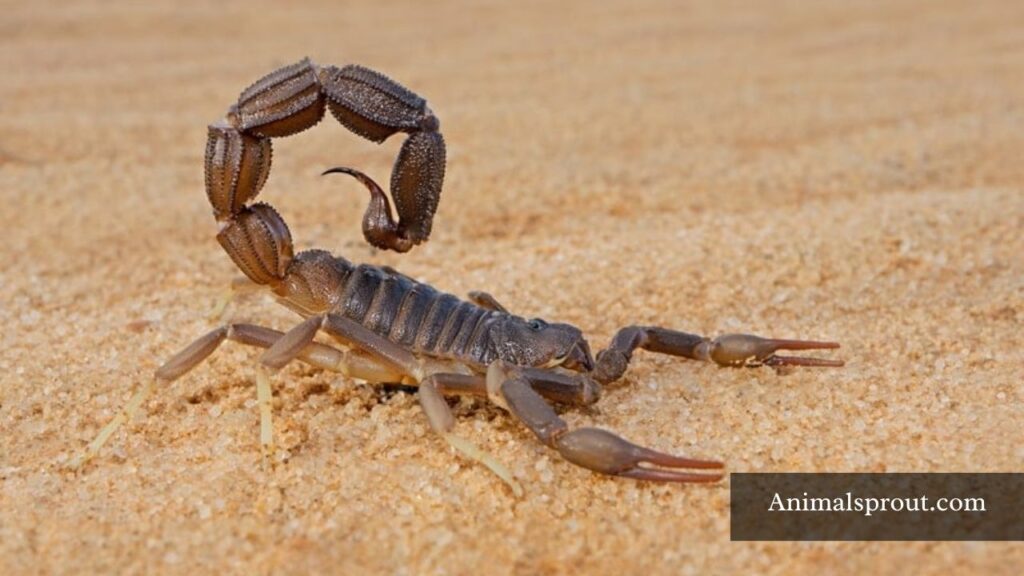
Interestingly, the scorpion’s role in the ecosystem is often overlooked; they help control pest populations, acting as nature’s own pest control agents. As you traverse the vibrant landscapes of the Philippines, take a moment to appreciate these misunderstood creatures — just remember to keep your distance!
Black Widow Spider
Scientific Name: Latrodectus mactans
Class: Arachnida
Diet: Carnivore
The black widow spider, notorious for its glossy black body and distinctive hourglass marking, is one of the Philippines’ most dangerous inhabitants. While many associate these spiders with fear, they play a crucial role in controlling insect populations, making them vital to the ecosystem. Their venom, though potent, is typically reserved for capturing prey, and bites to humans are rare and often occur only when the spider feels threatened. However, when a bite does happen, the effects can be severe, leading to intense pain, muscle cramps, and other symptoms that may require medical attention.
What’s fascinating about the black widow’s behavior is its secretive nature; it prefers dark, undisturbed spaces — often lurking in gardens, basements, or sheds. This affinity for hiding means that encounters are more common than one might expect, especially in rural areas where human interaction with their habitat increases. Awareness and education about these spiders can significantly reduce negative interactions; understanding their habits and habitats can empower locals and tourists alike to coexist more safely with these misunderstood creatures.
Blue-Ringed Octopus
Scientific Name: Hapalochlaena lunulata
Class: Cephalopoda
Diet: Carnivore
The blue-ringed octopus, a small yet fearsome inhabitant of the Philippine waters, captivates divers with its vibrant beauty while simultaneously evoking a sense of trepidation. Measuring only about the size of a golf ball, this creature is easily overlooked, but its striking blue rings serve as a warning that should never be underestimated. Armed with potent venom capable of causing paralysis and even death within minutes, the blue-ringed octopus embodies nature’s paradox: a delicate exterior concealing lethal power.
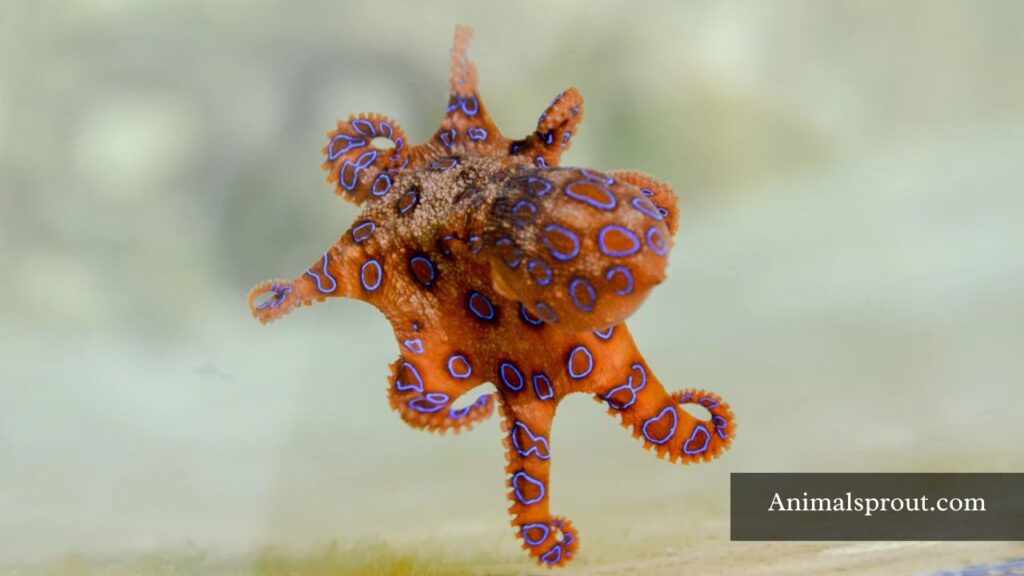
What makes this cephalopod particularly intriguing is not just its venom, but also its intelligence and behavioral adaptations. Unlike many other marine animals, the blue-ringed octopus exhibits a remarkable ability to camouflage, allowing it to blend seamlessly into its surroundings until threatened. This survival mechanism not only protects it from predators but also enhances the thrill for those who seek to observe it in its natural habitat. For scuba divers and snorkelers in the Philippines, the challenge lies in appreciating its beauty without underestimating the danger; a single bite can lead to respiratory failure and requires immediate medical attention.
Readmore: Explore 14 Most Dangerous Animals in Puerto Rico.
Final Thoughts
The Philippines is home to a diverse array of dangerous animals that pose unique challenges to both locals and tourists alike. From venomous snakes to aggressive marine creatures, awareness and respect for these animals are essential for ensuring safety in this beautiful archipelago. Understanding their habitats and behaviors can significantly reduce the risk of encounters. Promoting conservation efforts will help protect these species while fostering a greater appreciation for the natural world. Always remember to stay informed and vigilant when exploring the stunning landscapes of the Philippines.
FAQs
What is the most dangerous animal in the Philippines?
The most dangerous animal in the Philippines is arguably the saltwater crocodile. Known for its size and aggressive nature, this apex predator can grow up to 23 feet long and is often found in both freshwater and saltwater environments. They pose a significant threat to humans, especially in rural areas where they may come into contact with fishermen or swimmers.
Are there king cobras in the Philippines?
Yes, there are king cobras in the Philippines. They prefer forested areas and can often be found near water sources, which makes them quite adaptable to the island environments.