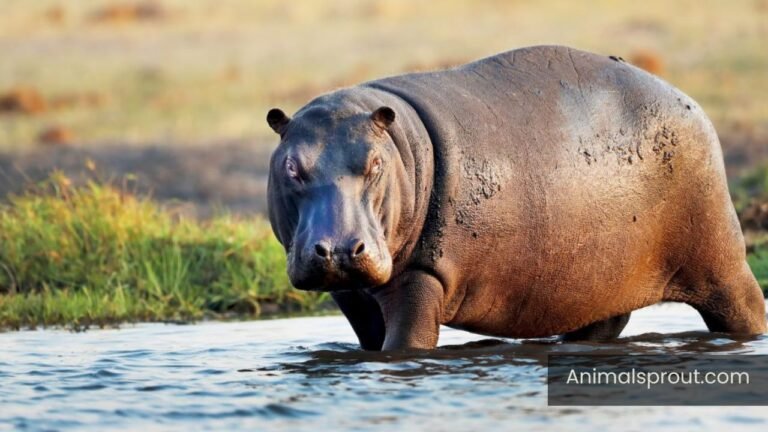

Explore Top 19 Animals That Are Like Foxes (With Pictures)
In this article, we’ll delve into the world of animals that are like foxes, highlighting their unique adaptations and behaviors. Whether you’re a wildlife enthusiast or simply curious about the animal kingdom, you’ll discover how these creatures embody the essence of fox-like ingenuity and charm.
List Of Animals That Are Like Foxes
Below is the list of animals like foxes in the world:
| Number of animals | Names of animals like foxes |
| 1 | Coyotes |
| 2 | Dholes |
| 3 | Domestic Dogs |
| 4 | Skunks |
| 5 | Jackals |
| 6 | Red Pandas |
| 7 | Weasels |
| 8 | Culpeo |
| 9 | Cats |
| 10 | Wolves |
| 11 | Margay |
| 12 | Dingoes |
| 13 | Mole Rats |
| 14 | Bobcats |
| 15 | Mountain Lions |
| 16 | Raccoon Dogs |
| 17 | Civets |
| 18 | African Wild Dogs |
| 19 | Mongooses |
Coyotes
Scientific Name: Canis latrans
Why similar to foxes: Like foxes, coyotes are members of the Canidae family and share similar adaptations for hunting and survival in diverse environments.
Coyotes, often overshadowed by their more iconic relatives like wolves and foxes, possess a fascinating adaptability that allows them to thrive in diverse environments. Unlike the solitary nature of many canids, coyotes are social animals that often hunt in pairs or small family groups, showcasing a blend of cooperation and cunning. Their vocalizations — ranging from haunting howls to cheerful yips — create a unique symphony that echoes through their habitats, serving both as communication and territory marking.
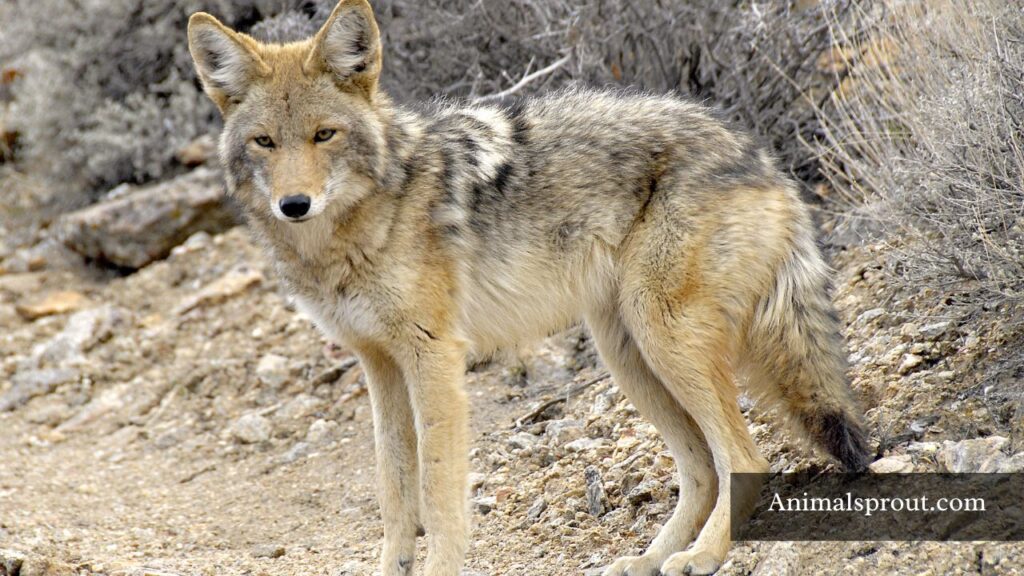
What truly sets coyotes apart is their remarkable ability to adapt to urban landscapes. As cities expand, these clever creatures have learned to navigate human environments, scavenging for food in parks and suburban neighborhoods.
Dholes
Scientific Name: Cuon alpinus
Why similar to foxes: Dholes are also part of the Canidae family, exhibiting pack behavior and a similar appearance to foxes.
These agile, reddish-brown dogs thrive in packs, showcasing a complex social structure that rivals that of wolves. Their highly cooperative hunting strategies allow them to take down prey much larger than themselves, such as deer and wild boar, demonstrating not only strength but also remarkable intelligence and teamwork. Observing a pack of dholes in action is akin to watching a well-rehearsed ballet in the wilderness, where every member has a distinct role to play.
What sets dholes apart is their unique vocalization repertoire, which includes high-pitched whistles and yaps that can be heard over long distances. This sonic communication is critical for maintaining group cohesion and coordinating hunts, revealing a depth of social interaction that is often overlooked. Moreover, dholes have adapted to diverse habitats across Asia, from dense forests to open grasslands, showcasing their resilience in the face of environmental changes. Sadly, these captivating creatures face threats from habitat loss and competition with other predators, highlighting the urgent need for conservation efforts.
Domestic Dogs
Scientific Name: Canis lupus familiaris
Domestic dogs, often referred to as “man’s best friend,” share a fascinating evolutionary lineage with their wild counterparts, including foxes. While both belong to the Canidae family, the differences in behavior and adaptability highlight the unique relationship humans have cultivated with dogs over thousands of years. Unlike the more solitary and cunning foxes, domestic dogs thrive on social interaction and cooperation, showcasing an extraordinary ability to read human emotions and cues. This deep bond has not only shaped their behavior but also influenced their physical traits, leading to an astonishing variety of breeds that cater to diverse human needs.

Skunks
Scientific Name: Mephitis mephitis
Why similar to foxes: skunks share a similar body structure and adaptability to various habitats, along with a cleverness that is reminiscent of foxes.
Skunks, often overshadowed by their more charismatic counterparts like foxes, possess a unique charm that is often overlooked. While many might associate skunks with their notorious odor, these creatures are incredibly adaptable and have fascinating behaviors that set them apart. For instance, skunks are omnivorous foragers, scavenging a diverse diet that ranges from fruits and insects to small rodents. This adaptability not only showcases their survival skills but also emphasizes the intricate balance they maintain within their ecosystems.
Beyond their ability to thrive in various environments, skunks exhibit social behaviors that can be quite endearing. Contrary to popular belief, skunks are not solitary animals; they often form small family groups, especially during the breeding season. This social structure allows them to communicate effectively through body language and vocalizations, creating a complex social dynamic that rivals that of more traditionally admired animals. Furthermore, their role in pest control — by feeding on insects and rodents — highlights their importance in maintaining ecological harmony.
Jackals
Why similar to foxes: Jackals are closely related to both wolves and foxes, displaying similar social structures and hunting techniques.
Jackals are often overshadowed by their more famous relatives, like foxes, yet they share intriguing similarities and unique traits that make them equally captivating. These cunning canids are found across Africa, the Middle East, and parts of Asia, thriving in diverse habitats from savannas to deserts. Unlike the solitary nature of many fox species, jackals are known for their social structures, often forming small family groups that hunt and raise their young together. This cooperative behavior not only enhances their hunting success but also fosters strong familial bonds, showcasing a level of social intelligence that rivals that of wolves.

What truly sets jackals apart is their adaptability. They possess a remarkable ability to thrive in human-altered landscapes, often scavenging in urban areas or agricultural fields. This adaptability has allowed them to survive alongside humans, leading to fascinating interactions that reveal their cleverness. For instance, jackals have been observed using cunning tactics to outsmart predators and competitors, often employing a mix of stealth and misdirection. Their vocalizations, which range from howls to yips, serve not just as communication but also as a means to establish territory and coordinate group activities, adding layers to their social dynamics that echo the complex behaviors seen in foxes.
Red Pandas
Scientific Name: Ailurus fulgens
Why similar to foxes: Red pandas have a fox-like appearance and exhibit arboreal habits.
Red pandas, often overshadowed by their more famous relatives, the giant pandas, possess a unique charm that captivates animal lovers. These small, arboreal mammals, native to the temperate forests of the Himalayas and southwestern China, exhibit an intriguing blend of characteristics reminiscent of both raccoons and foxes. Their striking reddish-brown fur and bushy tails not only serve as camouflage among the trees but also aid in maintaining balance as they navigate their treetop habitats. Unlike typical herbivores, red pandas primarily feast on bamboo but are omnivorous, occasionally indulging in fruits, insects, and small animals, showcasing their adaptability in a rapidly changing environment.
What sets red pandas apart from foxes, despite their similar size and playful demeanor, is their unique social behavior. While foxes are often solitary hunters, red pandas tend to be more sociable during mating seasons, engaging in vocalizations that range from whistles to grunts. This social complexity provides insight into their communication skills, which remain largely underexplored. Red pandas play a crucial role in their ecosystem as seed dispersers, inadvertently contributing to forest regeneration.
Weasels
Scientific Name: Mustela nivalis
Why similar to foxes: Weasels share a sleek body shape and cunning hunting strategies with foxes.
These small carnivores belong to the Mustelidae family, which also includes otters and badgers, and they are known for their elongated bodies and remarkable agility. Unlike the cunning charm of a fox, weasels exhibit a different kind of intelligence — one rooted in their stealthy hunting techniques. Their ability to sneak through tight spaces and rapidly adapt to various environments makes them skilled predators, capable of taking down prey much larger than themselves.
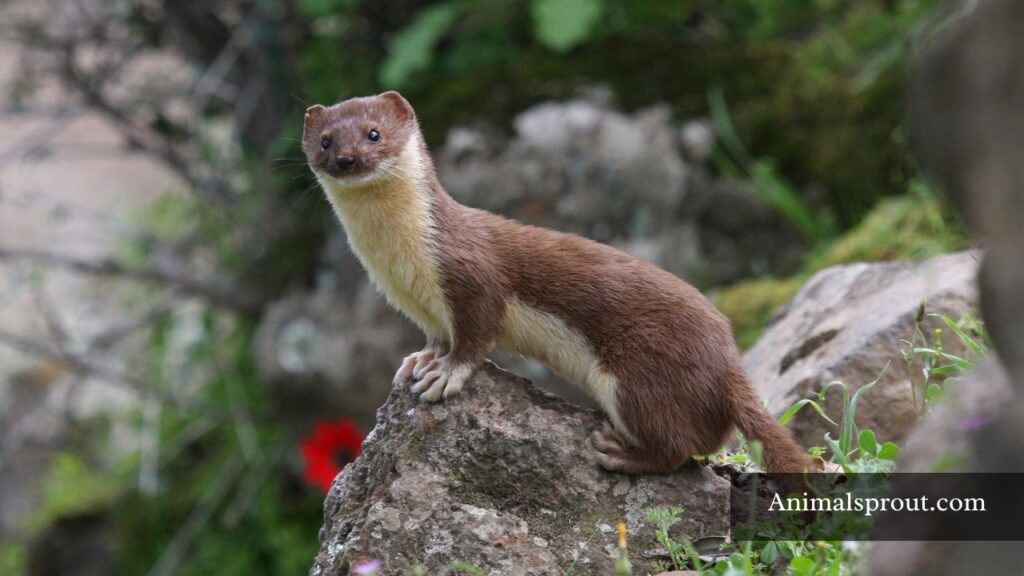
What sets weasels apart is their remarkable coat change throughout the seasons. While many animals simply grow thicker fur for winter, weasels undergo a striking transformation; some species shift from a rich brown to a dazzling white. This not only aids in camouflage against snow but also highlights their ability to thrive in diverse habitats — from forests to grasslands. Weasels are known for their playful behavior, often engaging in acrobatic displays that can be both entertaining and perplexing to onlookers. Observing these creatures in action reveals a world of intricate social dynamics and survival strategies that mirror the cunning found in foxes, yet with a unique twist all their own.
Culpeo
Scientific Name: Lycalopex culpaeus
Why similar to foxes: Culpeos are South American canids closely related to foxes, sharing similar ecological roles and behaviors.
The Culpeo, often referred to as the Andean fox, stands out not just for its striking appearance but also for its adaptability in diverse environments. Found primarily across the Andes and Patagonian regions, this clever creature has developed a remarkable ability to thrive in both arid landscapes and lush forests. Unlike its more widely known relatives, the Culpeo has a unique diet that includes fruits, rodents, and even small livestock, showcasing its versatility as a predator and scavenger. This omnivorous nature highlights an interesting aspect of its behavior — Culpeos are opportunistic feeders, which allows them to exploit seasonal food sources effectively.
Interestingly, their social structure is less rigid than that of some other canids, with Culpeos sometimes seen alone or in loose family groups, adapting their social behaviors based on food availability and environmental conditions. This flexibility not only enhances their survival but also offers a glimpse into the complexities of wildlife interactions in varying habitats.
Cats
Scientific Name: Felis catus
Why similar to foxes: Domestic cats and foxes both possess similar hunting instincts and solitary behaviors, despite belonging to different families.
Cats, like foxes, embody a unique blend of agility and cunning that makes them fascinating companions. Both animals are part of the family Canidae and Felidae, respectively, and exhibit similar behaviors when it comes to hunting and social interactions. For instance, the way domestic cats stalk their prey — whether it’s a toy mouse or a beam of sunlight — mirrors the stealthy approach of a fox in the wild, showcasing an innate skill set honed by evolution.
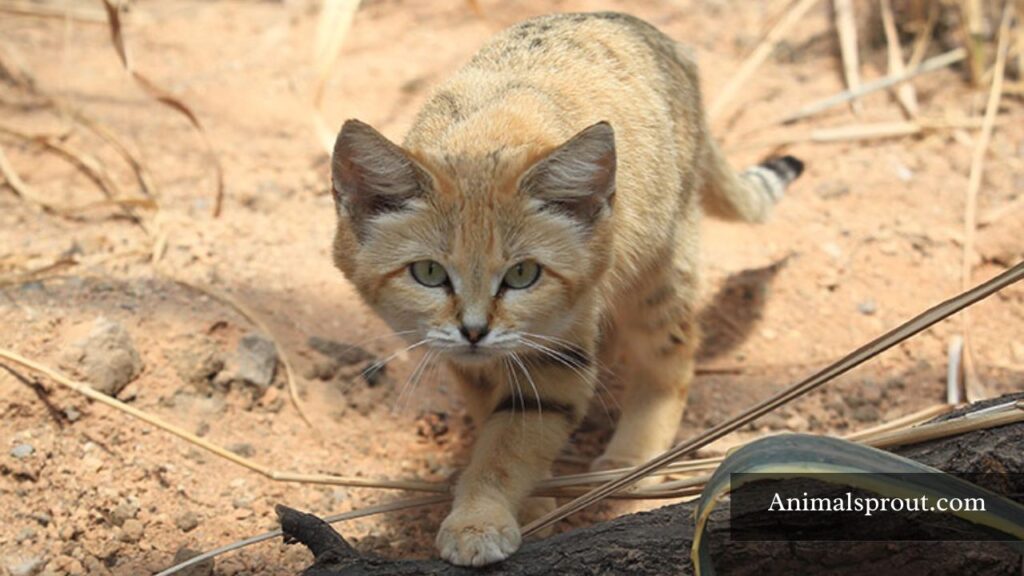
What’s particularly intriguing is the social dynamics of these creatures. While foxes are often seen as solitary hunters, they possess complex social structures within their families, much like house cats that form tight bonds with their human caregivers and other pets. This intricate social behavior can lead to surprising displays of affection and communication, revealing that beneath their independent exteriors lies a deep need for connection — similar to how foxes engage in playful interactions with their kits.
Wolves
Scientific Name: Canis lupus
Why similar to foxes: Both belong to the Canidae family and share similar social structures and hunting behaviors.
Wolves, often seen as the quintessential embodiment of wildness, share a unique kinship with foxes that transcends mere taxonomy. Both belong to the Canidae family, yet their social structures and hunting strategies reveal striking contrasts. While foxes are generally solitary hunters, adept at stealth and cunning, wolves operate in packs, showcasing a remarkable level of cooperation and communication. This social dynamic not only enhances their hunting efficiency but also strengthens familial bonds within the pack, highlighting a complex social intelligence that mirrors some aspects of human society.
Moreover, the adaptability of wolves is a testament to their resilience in various habitats, from arctic tundras to temperate forests. Unlike foxes, which often thrive in urban environments due to their elusive nature, wolves require expansive territories and are highly sensitive to environmental changes. This dependence on vast landscapes makes them a symbol of wilderness and underscores the importance of conservation efforts to protect their natural habitats.
Margay
Scientific Name: Leopardus wiedii
Why similar to foxes: Margays share a similar body structure and agility, resembling foxes in their sleekness and adaptability to various environments.
The margay, a small wild cat native to the tropical forests of Central and South America. Yet, this elusive feline is a marvel of adaptation, possessing remarkable climbing abilities that rival those of the most agile tree-dwelling creatures. With a body built for life in the canopy, margays can maneuver effortlessly among branches, using their unique flexible ankles to descend headfirst or leap between trees with astonishing grace. Their specialized hunting technique involves stalking and ambushing prey such as birds and small mammals, showcasing a blend of stealth and agility that is both captivating and essential for survival.
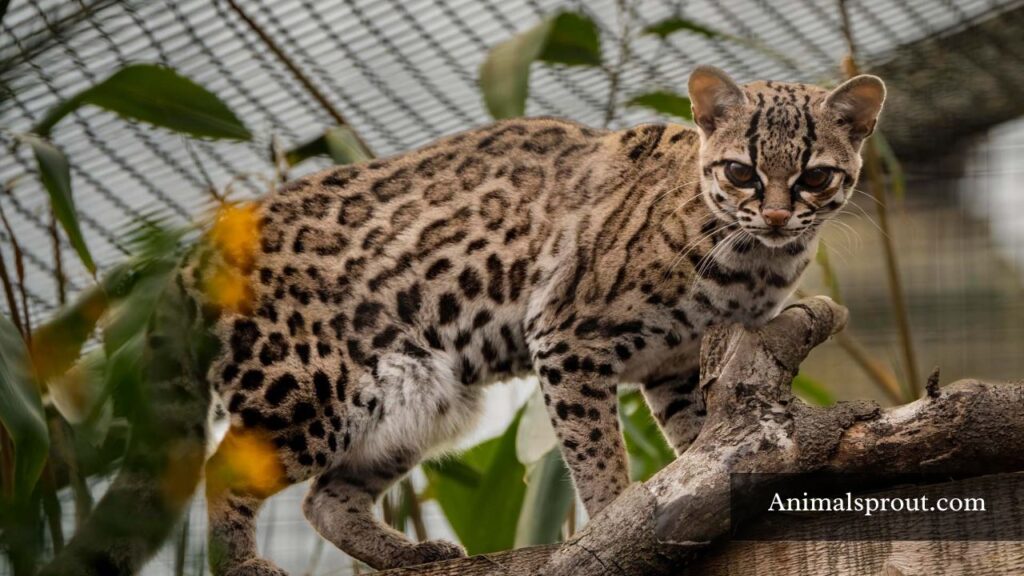
What truly sets the margay apart is its intriguing vocal repertoire. Unlike many other felids, margays have developed a range of sounds — from whistles to purrs — that facilitate communication in the dense forest environment where visual cues are often limited. This acoustic adaptability not only helps them maintain social bonds but also plays a crucial role in territorial displays.
Dingoes
Scientific Name: Canis lupus dingo
Why similar to foxes: As wild canines, they exhibit similar survival tactics and adaptability in their habitats.
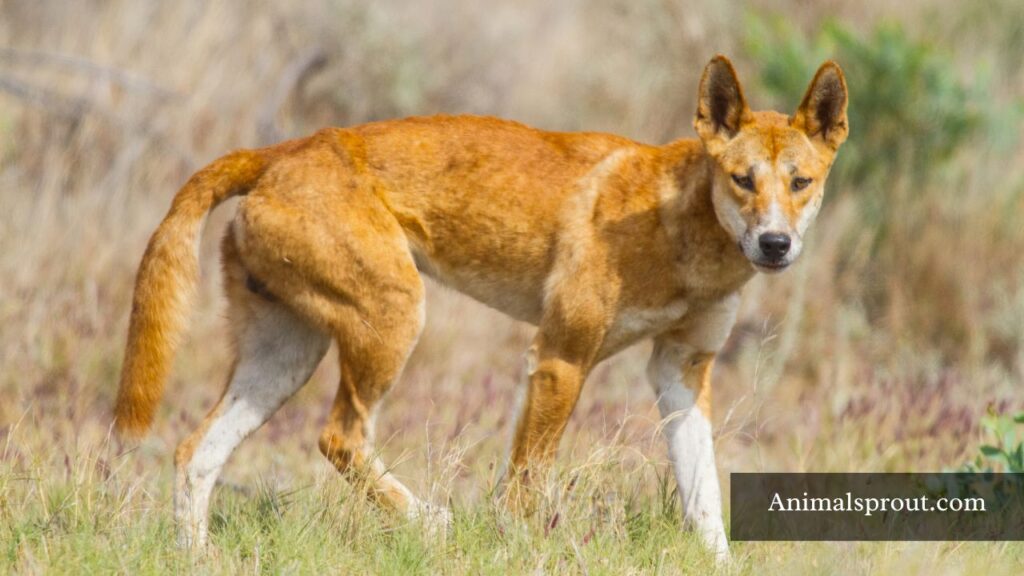
These resilient creatures, native to Australia, exhibit behaviors that mirror those of foxes, yet they embody a unique wild spirit that sets them apart. With their sleek bodies, pointed ears, and bushy tails, dingoes possess an elegance reminiscent of foxes, but their adaptability to diverse environments speaks volumes about their survival skills. Unlike the cunning and elusive nature commonly associated with foxes, dingoes are social animals, often forming tight-knit packs that enhance their hunting prowess and foster a complex social structure. Their vocalizations — howls that echo across the Australian bush — serve not just as communication tools but also as a reminder of the wild, untamed beauty that exists beyond our backyards.
Mole Rats
Scientific Name: Heterocephalus glaber
Why similar to foxes: Their burrowing lifestyle and social structures show parallels in survival strategies.
Mole rats, often overlooked in the animal kingdom, share intriguing similarities with their more celebrated counterpart, the fox. Both exhibit remarkable adaptability to their environments, showcasing a resourcefulness that allows them to thrive in challenging conditions. While foxes are masters of agility and cunning, mole rats demonstrate a unique form of cleverness through their complex social structures and burrowing abilities. These subterranean dwellers live in colonies, akin to a tightly-knit family unit, where cooperation is key to survival — a fascinating contrast to the solitary nature of many fox species.
Moreover, the physical adaptations of mole rats highlight an evolutionary parallel to foxes. With their powerful forelimbs designed for digging, these creatures navigate intricate tunnel systems much like how foxes exploit varied terrains for hunting. Their fur, often a muted hue, provides camouflage in their underground habitats, reminiscent of the fox’s sleek coat that aids in stealth during twilight hunts.
Bobcats
Scientific Name: Lynx rufus
Why similar to foxes: Both are cunning predators with similar hunting techniques and territorial behaviors.
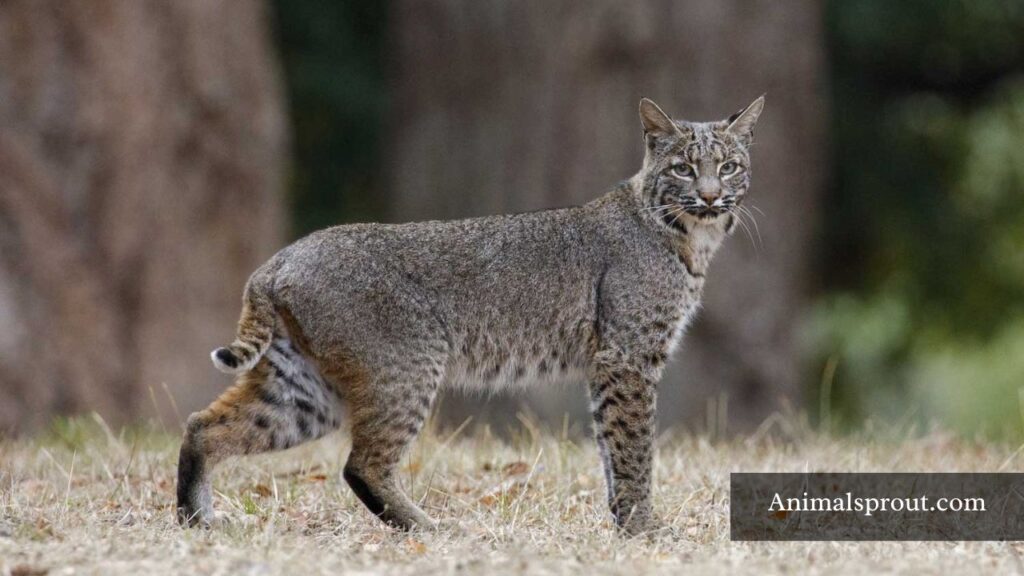
Bobcats, with their elusive nature and striking appearance, share an intriguing kinship with foxes that goes beyond mere physical resemblance. Both species exhibit a remarkable adaptability to diverse environments, thriving in forests, mountains, and even suburban areas. This versatility allows them to seamlessly blend into their surroundings, making them masters of stealth. Bobcats, like foxes, possess keen hunting skills, relying on their acute senses to stalk prey such as rabbits and rodents. Their tufted ears and short tails give them a distinctive profile, reminiscent of the cunning charm associated with foxes.
Mountain Lions
Scientific Name: Puma concolor
Why similar to foxes: They share a solitary lifestyle and adaptability as apex predators in diverse terrains.
Mountain lions, often overshadowed by their more famous feline relatives, share intriguing similarities with foxes that extend beyond mere appearance. Both animals are masters of adaptability, thriving in diverse habitats ranging from rugged mountains to suburban areas. This flexibility not only showcases their resilience but also highlights their cunning nature; just as foxes have honed their skills in urban environments, mountain lions have learned to navigate human-dominated landscapes while maintaining their elusive presence.
Moreover, the social behaviors of mountain lions reveal a fascinating parallel to those of foxes. While typically solitary, mountain lions exhibit complex social structures during mating season and when rearing their young. This behavior mirrors that of foxes, which often form family units to nurture their kits. The bond between a mother mountain lion and her cubs is akin to that of a vixen with her offspring, emphasizing the nurturing instincts inherent in both species.
Raccoon Dogs
Scientific Name: Nyctereutes procyonoides
Why similar to foxes: These canids have similar foraging habits and nocturnal behaviors, resembling foxes.
Raccoon dogs, or Nyctereutes procyonoides, are a fascinating blend of traits that make them stand out in the animal kingdom. Often mistaken for foxes due to their bushy tails and pointed faces, these unique canids actually bear more resemblance to raccoons than their canine cousins. Their name derives from their striking facial markings, which feature a mask-like appearance that adds a layer of charm to their already intriguing persona. Unlike most canids, raccoon dogs possess the ability to climb trees, a skill that helps them evade predators and access food sources in their forested habitats.
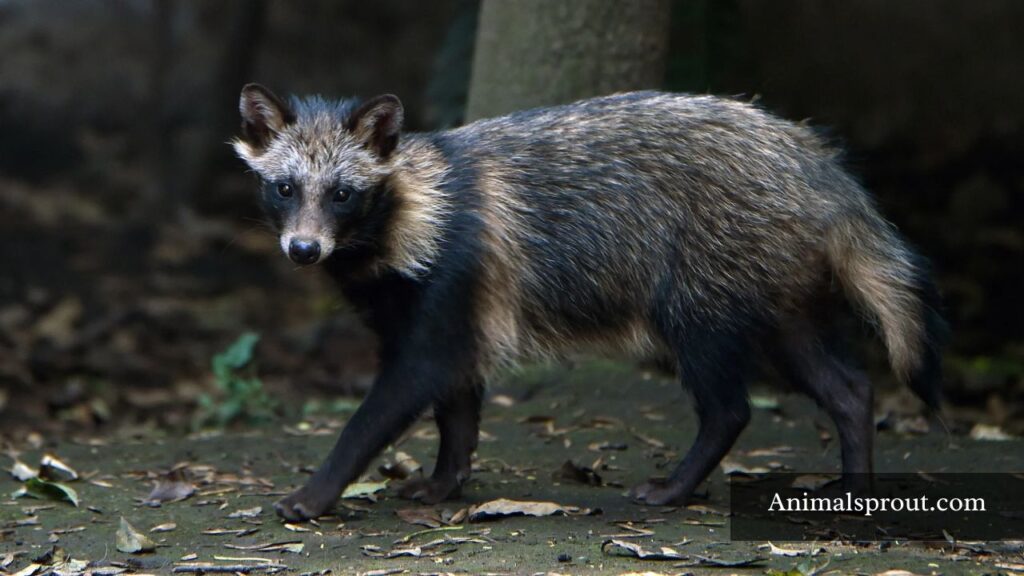
What sets raccoon dogs apart is their remarkable adaptability and social structure. They are monogamous creatures, often forming tight-knit family units that work together to raise their young. This cooperative breeding strategy not only enhances survival rates for the pups but also fosters a deep familial bond rarely observed in other wild canids. Additionally, raccoon dogs have a unique dietary preference; they are omnivorous scavengers that consume everything from fruits and insects to small mammals, showcasing their versatility in various ecosystems.
Civets
Why similar to foxes: Their omnivorous diet and elusive behavior create a resemblance in lifestyle to foxes.
Civets, often overlooked in discussions about fascinating wildlife, are intriguing creatures that share more than a passing resemblance to foxes. These small, nocturnal mammals belong to the family Viverridae and are characterized by their elongated bodies, bushy tails, and distinctive facial markings. Unlike foxes, civets possess a unique blend of feline and weasel-like traits, making them a captivating study in evolutionary adaptation. Their keen sense of smell and agile climbing skills allow them to thrive in diverse habitats, from tropical forests to urban areas.
One of the most remarkable aspects of civets is their role in the ecosystem as seed dispersers. By consuming various fruits and berries, they help maintain the health of their habitats, allowing for new growth and biodiversity. Moreover, civets are known for their fascinating behavior of marking territory with scent glands, much like their canid counterparts. This aspect of their social life adds another layer of complexity to their existence. In regions where they are found, such as Southeast Asia, civets are also integral to the coffee industry; the famed Kopi Luwak coffee is made from beans that have been eaten and excreted by these animals, showcasing the unique interplay between wildlife and human culture.
African Wild Dogs
Scientific Name: Lycaon pictus
African wild dogs, often overshadowed by their more famous canid cousins, offer a remarkable glimpse into the dynamics of pack behavior and social structure in the animal kingdom. Unlike foxes, which tend to be solitary or live in small family groups, these vibrant hunters thrive in tightly-knit packs that can number up to 27 individuals. Their cooperative hunting strategies are a testament to their intelligence and communication skills; they utilize a series of vocalizations and body language to coordinate complex chase patterns, ensuring that no prey escapes their grasp.
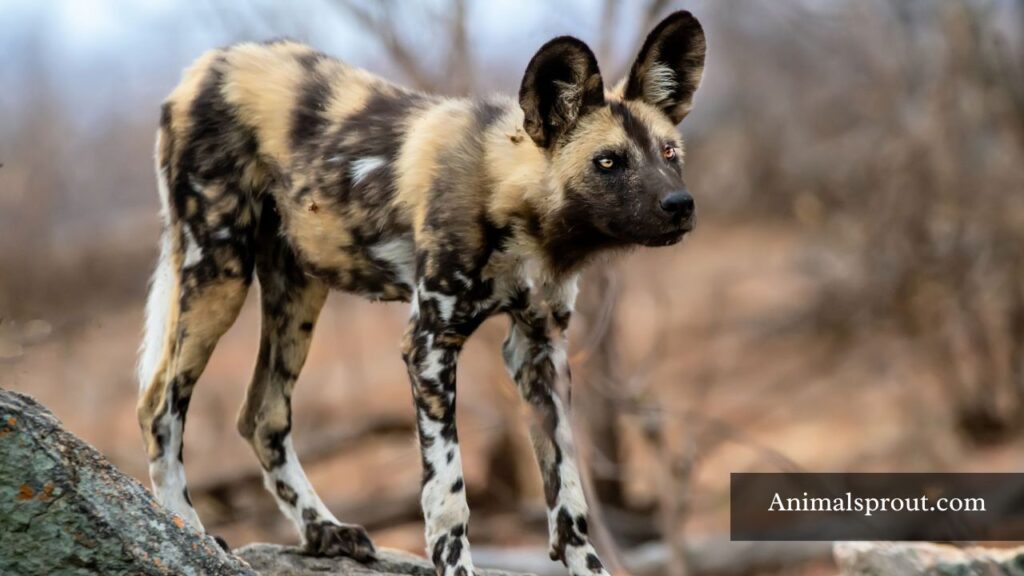
What sets African wild dogs apart is their unique approach to nurturing. After a successful hunt, they engage in a fascinating ritual known as “caching,” where they regurgitate food for their pups and even for injured pack members, showcasing an extraordinary level of empathy and social bonding. This altruistic behavior not only strengthens the pack’s cohesion but also highlights the importance of community in their survival.
Mongooses
Why similar to foxes: Their agile hunting methods and sociability echo the cunning traits of foxes.
Mongooses, often overshadowed by their more charismatic counterparts like foxes, are fascinating creatures that deserve our attention. These small, agile mammals belong to the Herpestidae family and exhibit a variety of behaviors that make them unique in the animal kingdom. With over 30 species, mongooses showcase an impressive range of adaptations, from their sharp reflexes to their social structures. Some, like the meerkat, live in tight-knit groups, demonstrating remarkable teamwork when it comes to foraging or fending off predators.
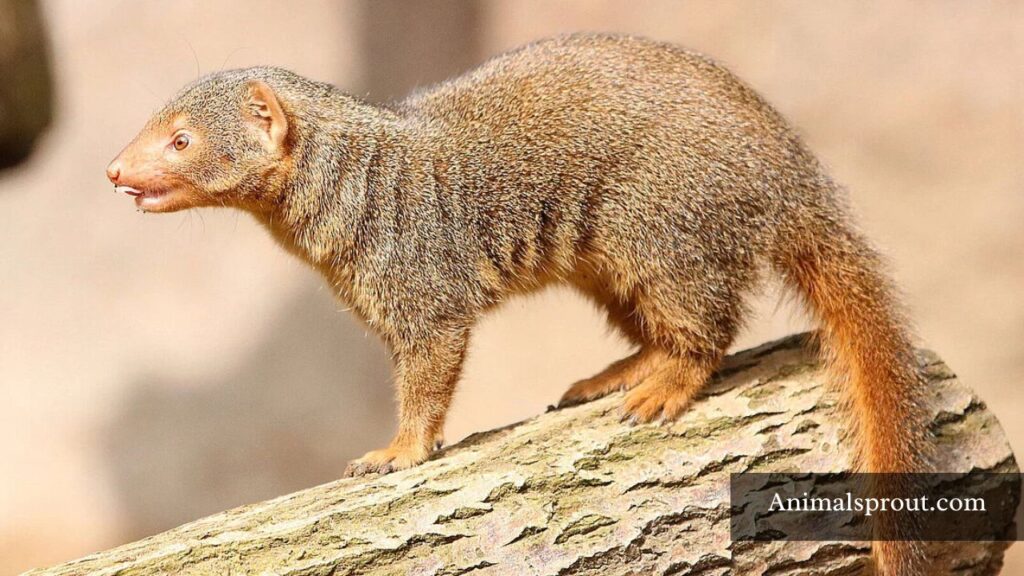
One of the most intriguing aspects of mongooses is their uncanny ability to combat venomous snakes. Their specialized acetylcholine receptors allow them to tolerate certain snake venoms, making them formidable opponents in the wild. This remarkable trait not only highlights their evolutionary adaptations but also serves as a reminder of nature’s creativity in survival strategies.
Readmore: Explore Top 12 Animals Like Porcupines In The World.
Final Thoughts
The fascinating world of animals that share similarities with foxes reveals a diverse array of species, each with unique adaptations and behaviors. From the clever raccoon to the elusive coyote, these creatures showcase the beauty of evolution and the interconnectedness of wildlife. Observing their habits can deepen our appreciation for nature’s ingenuity. As we continue to explore these remarkable animals, let’s commit to protecting their habitats and ensuring their survival.
FAQs
What animals look like foxes?
Many animals resemble foxes due to their similar body shapes and features. Some of these include Coyotes, Jackals, Dholes, Culpeo, Raccoon Dogs, African Wild Dogs, Maned Wolf, Bush Dogs, Red Pandas, Caracal and Serval.
What animal is similar to a fox?
The animal most similar to a fox is probably the coyote. Both belong to the Canidae family and share a similar body shape, bushy tail, and keen hunting instincts. Coyotes are often found in North America and have adapted well to various environments, just like foxes.
What animal is most closely related to a fox?
Raccoon dogs, also known as tanukis, are indeed closely related to foxes. They belong to the Canidae family, which includes dogs, wolves, and other canids. Despite their name and appearance, raccoon dogs are not true raccoons; they have a unique evolutionary path that places them near foxes within the family tree.