Top 17 Animals That Can Jump (Images Included)
Animals that can jump have evolved remarkable abilities that allow them to evade predators, catch prey, or navigate their environments. In this article, we’ll delve into the science behind jumping in the animal kingdom and showcase some of the most extraordinary jumpers.
List Of Animals That Can Jump
Below is the list of animals that jump:
| Number Of Animals | Names of Animals That Can Jump |
| 1 | Kangaroos |
| 2 | Hares |
| 3 | Bharal |
| 4 | Jumping spiders |
| 5 | Gazelle |
| 6 | Jumping Mice |
| 7 | Mountain lion |
| 8 | Frogs |
| 9 | Crickets |
| 10 | wallabies |
| 11 | Klipspringer |
| 12 | Rabbits |
| 13 | Flea |
| 14 | Leafhoppers |
| 15 | Kangaroo rats |
| 16 | Mountain goat |
| 17 | Grasshoppers |
Kangaroos
Class: Mammalia
Diet: Herbivore
Kangaroos are not just iconic symbols of Australia; they are remarkable athletes of the animal kingdom. With powerful hind legs that can propel them over distances of up to 30 feet in a single bound, these marsupials have evolved to thrive in their vast and often arid habitats. Their unique mode of locomotion — bounding rather than running — allows them to conserve energy while covering large expanses in search of food and water. This efficient movement is complemented by their long tails, which help maintain balance during their impressive leaps.

Interestingly, kangaroos possess a fascinating social structure that influences their jumping abilities. Often seen grazing in groups known as mobs, these animals rely on one another for protection and communal foraging. When startled, a kangaroo’s instinct is to leap away from danger, but it also observes the movements of others in the mob, creating a synchronized escape response. This behavior not only highlights their agility but also showcases an intelligent social dynamic that enhances their survival in the wild.
Hares
Class: Mammalia
Diet: Herbivore
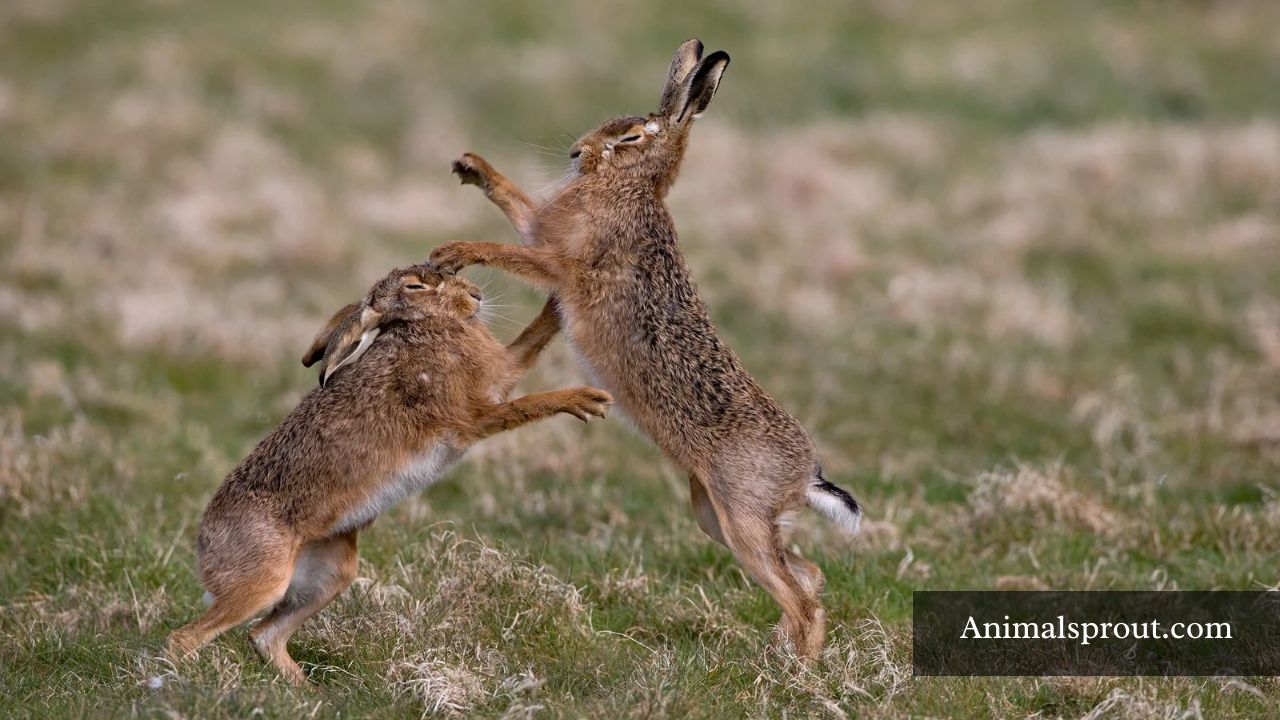
Hares are remarkable creatures, known not only for their speed but also for their incredible jumping abilities. With powerful hind legs that can propel them up to 10 feet in a single leap, these agile animals have evolved to evade predators and navigate their grassy habitats with grace. Unlike their close relatives, rabbits, hares are born fully furred and with their eyes open, allowing them to take off running almost immediately after birth — a testament to their adaptation to life in the wild.
What truly sets hares apart is their unique behavior during leaps. When faced with danger, they often perform a series of unpredictable jumps and twists, a tactic designed to confuse predators like foxes and hawks. This erratic movement not only showcases their athleticism but also highlights the delicate balance of survival in the wild. Furthermore, hares engage in a phenomenon known as “boxing,” where males spar using their powerful forelimbs. This not only serves as a display of strength during mating season but also reveals their social dynamics and the importance of agility in both competition and evasion.
Bharal
Scientific Name: Pseudois nayaur
Class: Mammalia
Diet: Herbivore
The bharal, also known as the blue sheep, is an extraordinary example of nature’s engineering marvels. Found in the rugged terrains of the Himalayas, these agile creatures possess remarkable adaptations that enable them to navigate steep cliffs and rocky outcrops with astonishing grace. Their specialized hoof structure, featuring a split design, allows for superior traction on uneven surfaces, enabling them to leap across chasms that would daunt many other animals. This ability not only aids in escaping predators but also helps them access nutrient-rich vegetation found in otherwise inaccessible areas.
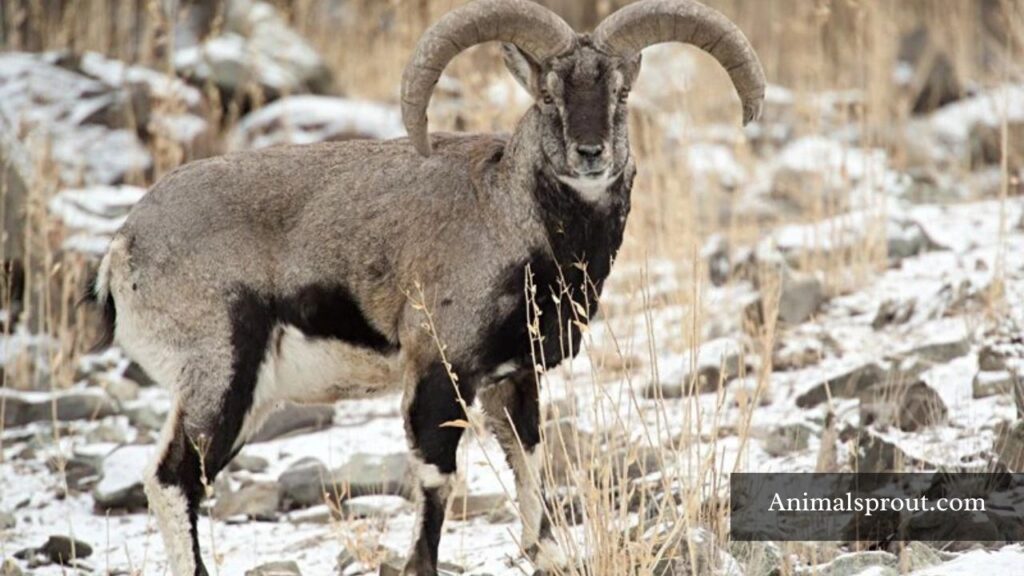
What sets Bharals apart is their unique social structure, which complements their jumping skills. Living in small herds, they engage in playful interactions that often include bounding leaps and high jumps. These displays strengthen social bonds and teach younger members of the group essential survival tactics.
Jumping spiders
Class: Arachnida
Diet: Carnivore
Jumping spiders, belonging to the family Salticidae, are a fascinating group of arachnids known for their remarkable agility and keen hunting skills. Unlike many spiders that rely on webs to capture prey, these tiny predators use their exceptional jumping ability to pounce on unsuspecting insects. With legs that can extend up to five times their body length, they can leap distances equivalent to more than 50 times their size. This extraordinary capability is not just a matter of strength; it’s also about precision, as they possess acute vision, allowing them to gauge distances accurately before making their move.
What truly sets jumping spiders apart is their complex courtship rituals, which often involve intricate dances and vibrant displays. Males will showcase their colorful abdomens and perform elaborate movements to attract females, adding a layer of drama to their otherwise solitary existence. These interactions reveal a surprising depth of behavior in creatures often overlooked due to their small size. Moreover, their ability to see in nearly 360 degrees gives them an edge not only in hunting but also in navigating their environments, making them one of the most skilled predators in the spider world.
Gazelle
Class: Mammalia
Diet: Herbivore
The gazelle, often revered for its grace and agility, is a true master of the jump. With powerful legs designed for speed, these animals can leap up to ten feet in the air and cover distances of over thirty feet in a single bound. This remarkable ability not only aids in escaping predators but also plays a crucial role in their social interactions. Gazelles often engage in playful leaps, known as stotting, where they spring high into the air to signal their strength and fitness to potential threats, showcasing an intriguing blend of survival instinct and social communication.

What sets gazelles apart from many other jumping animals is their unique method of locomotion during these impressive leaps. Their long, slender limbs and lightweight bodies allow them to execute graceful arcs that seem almost effortless, making their jumps appear like a dance in the savannah. Moreover, this athletic prowess is complemented by their keen eyesight; gazelles can spot predators from great distances, enabling them to prepare for a swift escape when necessary.
Jumping Mice
Class: Mammalia
Diet: Omnivore
Jumping mice, belonging to the genus Zapus, are a marvel of nature with their extraordinary leaping abilities. Found primarily in North America, these small rodents possess powerful hind legs that allow them to execute impressive jumps of up to three feet — an astonishing feat for creatures measuring only about five to ten inches long. Their elongated tails not only aid in balance but also help them navigate their environment with agility, making them adept at escaping predators in their grassland habitats.
What sets jumping mice apart is their fascinating adaptation to seasonal changes. During the winter months, they enter a state of hibernation, significantly slowing their metabolism and relying on stored fat to survive. This unique strategy allows them to conserve energy while avoiding the harsh conditions of their environment. Interestingly, when they emerge in spring, they exhibit remarkable resilience and vigor, quickly returning to their acrobatic lifestyle of foraging and leaping.
Mountain lion
Scientific Name: Puma concolor
Class: Mammalia
Diet: Carnivore
Mountain lions, also known as cougars or pumas, are not only masters of stealth but also remarkable jumpers. With powerful hind legs that can propel them up to 18 feet in a single bound, these agile felines exemplify the perfect blend of strength and grace. This extraordinary jumping ability allows them to navigate their rugged mountainous habitats with ease, leaping over boulders and tree branches while pursuing prey or escaping danger. In fact, a mountain lion’s vertical leap can reach heights of over 10 feet, making them one of the most impressive jumpers in the animal kingdom.
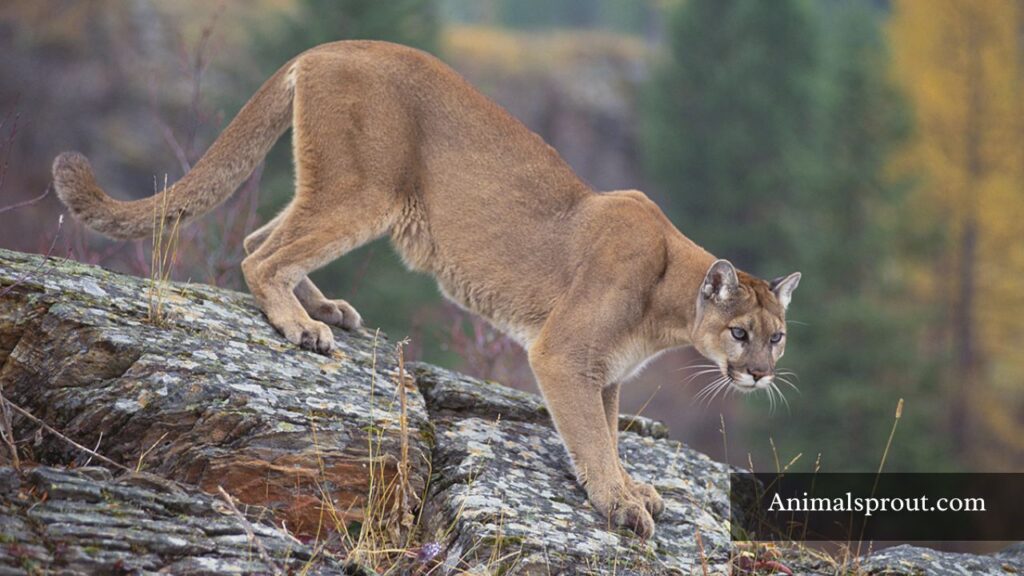
What sets mountain lions apart is not just their physical prowess but their strategic use of jumps during hunting. When stalking prey, they often utilize the element of surprise, launching themselves from concealed positions to cover ground quickly. This combination of stealth and explosive power enhances their effectiveness as solitary hunters, allowing them to tackle larger prey like deer with remarkable efficiency.
Frogs
Class: Amphibia
Diet: Carnivore
Frogs are remarkable jumpers, showcasing a combination of strength, agility, and adaptability that sets them apart in the animal kingdom. Their long, powerful hind legs are specifically designed for leaping great distances — some species can jump over 20 times their body length! This extraordinary ability isn’t just for show; it plays a crucial role in their survival. A well-timed leap can help them escape predators or close the gap on unsuspecting prey, making each jump a matter of life and death.
Beyond their impressive jumping skills, frogs also engage in a fascinating array of behaviors during these leaps. For instance, many species utilize their jumps not just for mobility but as part of elaborate courtship displays, showcasing their strength and agility to attract mates. Moreover, some frogs have adapted their jumping techniques based on their environment; tree frogs, for example, employ a more calculated approach, using their sticky toe pads to navigate vertical surfaces and leap between branches.
Crickets
Class: Insecta
Diet: Omnivore
Crickets are remarkable jumpers, capable of leaping up to 20 times their body length — a feat that is nothing short of astonishing for creatures measuring only a couple of inches long. Their powerful hind legs are not just for show; they serve as finely tuned instruments of survival, allowing crickets to evade predators and navigate their often unpredictable environments. When they spring into action, the biomechanics at play involve a rapid contraction of muscles that stores energy in elastic tissues, akin to a coiled spring ready to unleash its potential.
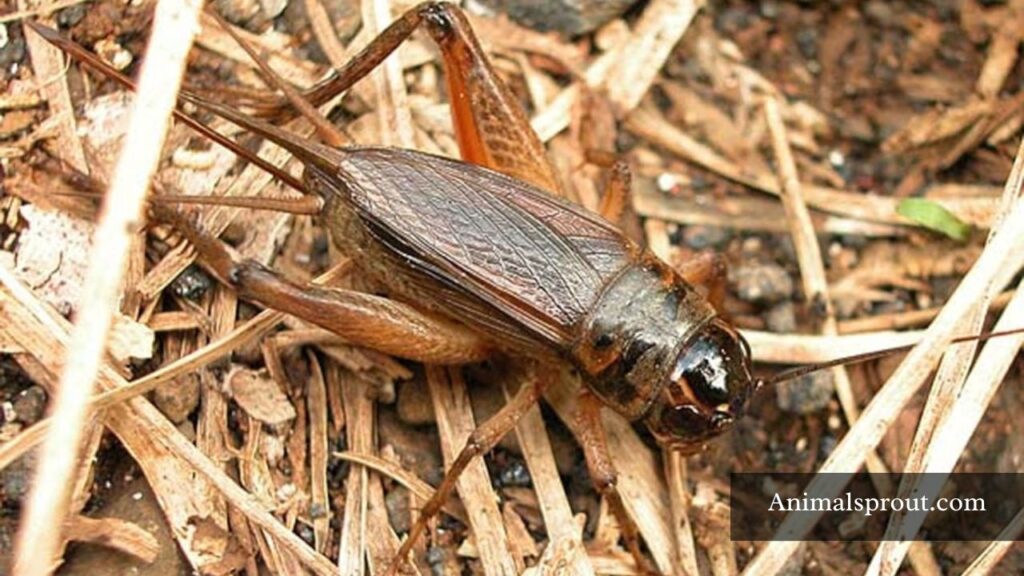
Beyond their impressive physical capabilities, crickets also embody the essence of adaptability in their jumping techniques. Different species exhibit varied jumping styles based on their habitat and the specific threats they face. For instance, some crickets employ short, quick jumps to evade imminent danger, while others utilize longer, soaring leaps to traverse expansive open spaces. This versatility not only aids in survival but also highlights the evolutionary ingenuity that has allowed these insects to thrive in diverse ecosystems.
Crickets communicate through a symphony of sounds, often created by their rhythmic movements as they jump and rub their wings together. This behavior not only attracts mates but also establishes territory, showcasing a fascinating intersection of physical prowess and social interaction.
Readmore: Explore Top 18 Independent Animals In The World.
Wallabies
Class: Mammalia
Diet: Herbivore
Wallabies, often overshadowed by their larger kangaroo relatives, showcase an impressive array of jumping abilities that reflect their unique adaptations to the Australian bush. These small to medium-sized marsupials can leap up to 10 feet in a single bound, using their powerful hind legs and muscular tails for balance and propulsion.
What’s fascinating about wallabies is their social structure and behavior during jumping. They often engage in a playful display known as “boxing,” where they leap and spar with one another, showcasing not just their strength but also their agility. This behavior is crucial for establishing dominance within their groups and can even be a precursor to mating rituals. Wallabies exhibit a keen sense of spatial awareness, allowing them to calculate the best angles for their jumps, which is vital when avoiding predators or navigating rocky terrains.
Klipspringer
Scientific Name: Oreotragus oreotragus
Class: Mammalia
Diet: Herbivore
The klipspringer, a small antelope native to the rocky terrains of eastern and southern Africa, is a true marvel of nature’s engineering. With its unique adaptations, this agile creature can leap up to 10 feet in a single bound. This extraordinary ability is not just for show; it allows the klipspringer to navigate its steep, uneven habitat with grace and precision, evading predators while foraging for food among the boulders. Their hooves are specially designed — hard and pointed — enabling them to grip rocky surfaces effortlessly, making them masters of their rugged domain.
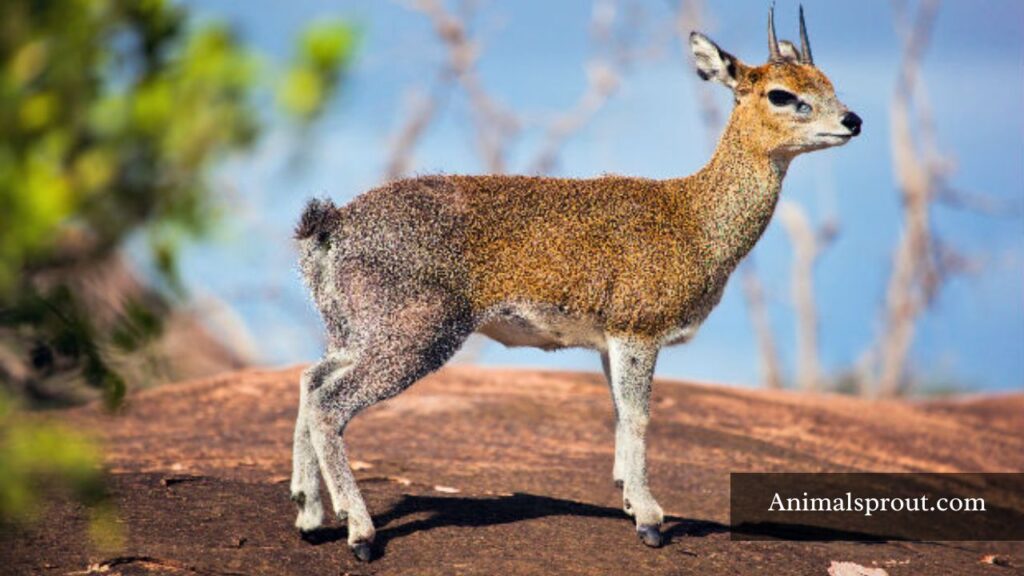
What sets the klipspringer apart from other jumping animals is its remarkable balance and poise. Unlike many antelopes that rely on speed to escape danger, the klipspringer employs a more tactical approach, using its jumping prowess to ascend high ledges and rocky outcrops where larger predators struggle to follow.
Rabbits
Class: Mammalia
Diet: Herbivore
Rabbits are renowned for their incredible jumping abilities, a trait that serves both practical and instinctual purposes. With powerful hind legs designed for explosive takeoffs, these furry creatures can leap up to three feet high and cover distances of ten feet in a single bound. This impressive agility not only aids in evading predators but also enables them to navigate their complex burrow systems and hop across varied terrains in search of food. Watching a rabbit spring into the air can be a mesmerizing spectacle, showcasing their innate grace and speed.
Interestingly, the structure of a rabbit’s skeleton contributes significantly to its leaping prowess. Their elongated hind limbs are equipped with strong muscles that store energy much like a spring, allowing them to unleash it at a moment’s notice. Rabbits have a unique ability to adjust their jumping technique based on the environment; whether they’re navigating dense underbrush or open fields, they adapt their leaps to maximize efficiency and safety. This adaptability not only highlights their evolutionary success but also reflects an intriguing aspect of animal behavior — how instinct and intelligence combine to enhance survival in the wild.
Flea
Class: Insecta
Diet: Parasite
The flea, often overlooked due to its minuscule size, is a remarkable jumper, capable of leaping up to 200 times its own body length. The secret behind this incredible ability lies in its specialized leg muscles and a unique structure called the resilin, a protein that acts like a spring. When the flea contracts its muscles, the resilin stores energy, releasing it in a rapid burst that propels the insect into the air with astonishing speed and agility.
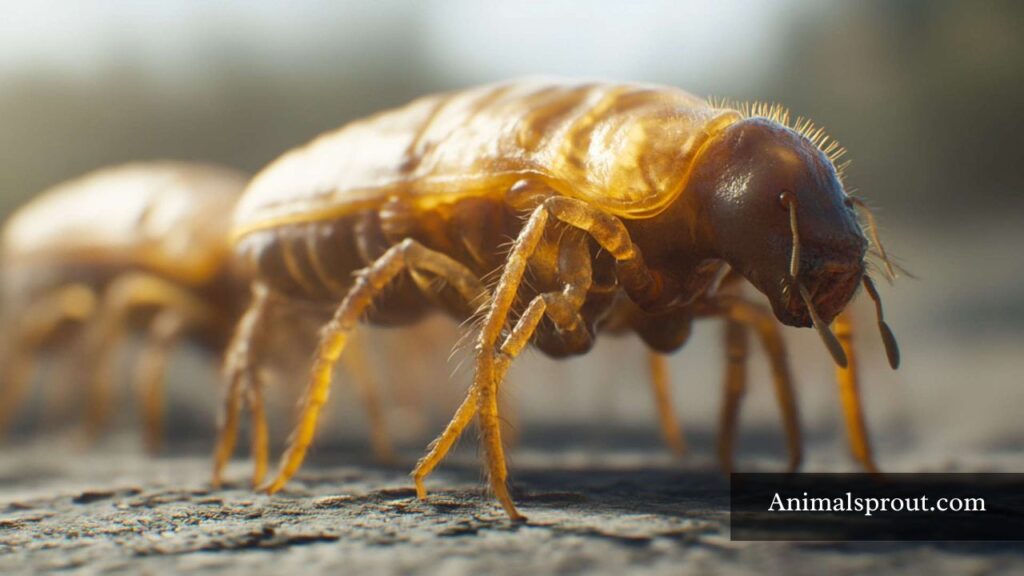
Interestingly, fleas are not just champions of vertical leaps; they also exhibit impressive horizontal jumps. This dual capacity allows them to navigate their environment swiftly, evading predators while also finding hosts for feeding.
Leafhoppers
Class: Insecta
Diet: Herbivore
Leafhoppers, often overlooked in the grand tapestry of nature, are remarkable jumpers that showcase the incredible adaptations of the insect world. These tiny sap-sucking insects possess powerful hind legs that can propel them up to 100 times their body length in a single leap. This extraordinary ability is not just for show; it allows leafhoppers to evade predators and navigate their environment with agility. Their jumps are so swift and precise that they can change direction mid-air, almost like a skilled acrobat performing aerial maneuvers.
What sets leafhoppers apart from other jumping insects is their unique mechanism of energy storage. They utilize a specialized structure in their hind legs that functions like a spring, compressing before release. This biomechanical innovation enables them to generate astonishing speeds, making them one of the fastest jumpers in the insect kingdom. As they leap through the air, their colorful bodies create a mesmerizing spectacle against the backdrop of green foliage, reminding us of the hidden wonders that exist in our ecosystems.
Kangaroo rats
Class: Mammalia
Diet: Granivore/Omnivore
Kangaroo rats, small nocturnal rodents native to North America, are masters of agility and endurance, capable of leaping up to nine times their body length in a single bound. Their powerful hind legs, designed for explosive jumps, allow them to navigate the arid landscapes of deserts with astonishing efficiency. What’s particularly fascinating is their unique adaptation to their environment; they have evolved to conserve water, allowing them to survive without drinking, relying instead on the moisture found in seeds. This remarkable trait underscores how these creatures have harmonized their biology with their habitat, thriving in conditions where many others would struggle.
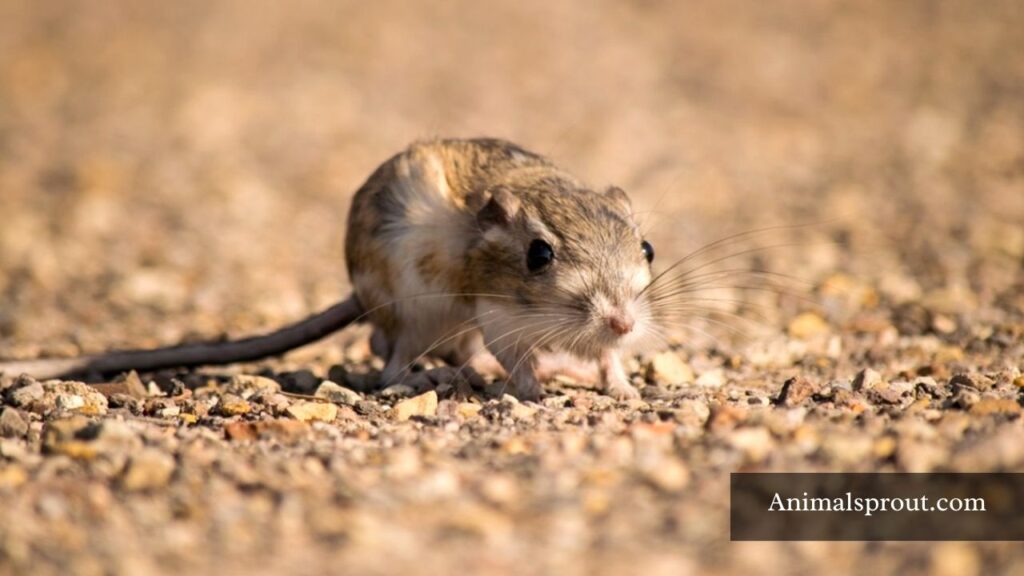
Their jumping prowess serves not only as a means of locomotion but also as a critical survival strategy. When threatened by predators, kangaroo rats perform acrobatic leaps that can confuse and evade attackers. This instinctual behavior showcases an extraordinary blend of physical capability and instinctive intelligence. Moreover, their ability to navigate complex terrain while maintaining speed and agility highlights the intricate relationship between movement and survival in the wild.
Mountain goat
Scientific Name: Oreamnos americanus
Class: Mammalia
Diet: Herbivore
The mountain goat, often mistaken for a true goat, is a remarkable example of nature’s engineering prowess. These agile climbers can leap distances up to 12 feet, showcasing not just strength but an incredible sense of balance. Their specialized hooves, which are cloven and equipped with rough pads, provide exceptional grip on steep, rocky terrains. This adaptation allows them to navigate the rugged cliffs of North America’s mountains, where few other animals dare to tread.
What’s fascinating is how these jumps are not merely for show; they serve as a survival tactic. By bounding from rock to rock, mountain goats evade predators like wolves and cougars, utilizing the steep slopes as their protective fortress. During mating season, males engage in spectacular displays of jumping and head-butting to assert dominance and attract mates. This not only showcases their physical prowess but also emphasizes the importance of agility in both survival and reproduction within the harsh alpine environment.
Grasshoppers
Class: Insecta
Diet: Herbivore
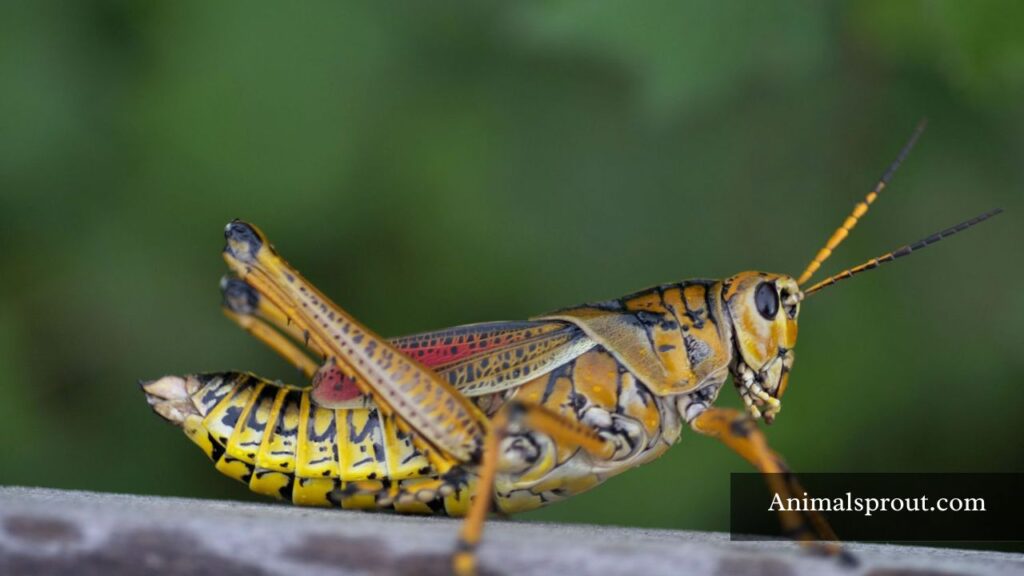
Grasshoppers are not just remarkable for their impressive leaps; they embody a fascinating blend of biology and physics that allows them to defy gravity with such grace. Equipped with powerful hind legs that can extend up to 20 times their body length, these insects demonstrate a unique form of energy storage. When preparing to jump, grasshoppers bend their legs, compressing elastic tissues that release energy in a swift motion, propelling them into the air. This mechanism not only showcases their physical prowess but also highlights an evolutionary advantage, allowing them to escape predators with impressive speed.
Readmore: Explore Top 7 Mammals That Cannot Jump.
Final Thoughts
The ability to jump is a fascinating adaptation that many animals have developed for various reasons, including evading predators, navigating their environments, and capturing prey. From the incredible heights achieved by kangaroos to the agile leaps of frogs, these creatures showcase the diverse strategies nature employs for survival. Each species demonstrates unique physical adaptations that enhance their jumping capabilities, making them marvels of evolution.
FAQs
What animals are good at jumping?
Some animals that are excellent at jumping include frogs, kangaroos, and grasshoppers.
What animal can jump the highest?
The impala is renowned for its impressive jumping abilities. These graceful antelopes can leap up to 10 feet high and cover distances of around 30 feet in a single bound. This incredible agility helps them evade predators and navigate their savanna habitat with ease.
Which animal is known for its incredible jumping ability?
The animal most renowned for its incredible jumping ability is the kangaroo.