15 Animals That Have Manes (Pictures Included)
Did you know that manes aren’t just for horses? In fact, several fascinating animals flaunt these striking features, showcasing their individuality and strength. In this article on Animals That Have Manes, we’ll explore the variety of species that possess this unique characteristic and the evolutionary reasons behind their manes. By the end, you’ll gain a deeper appreciation for these remarkable creatures and understand why their manes hold significance in their lives.
List of Animals That Have Manes
Below is the list of animals that have manes:
| Number of Animals | Names of Animals That Have Manes |
| 1 | Zebra |
| 2 | Lion |
| 3 | Wildebeest |
| 4 | Maned Wolves |
| 5 | Gelada Baboon |
| 6 | Giraffe |
| 7 | Maned Sloth |
| 8 | Golden Lion Tamarin |
| 9 | Bactrian Camel |
| 10 | Yak |
| 11 | Horse |
| 12 | Hyena |
| 13 | Bison |
| 14 | Lion-tailed Macaque |
| 15 | Sable Antelope |
Zebra
Scientific Name: Equus quagga
Class: Mammalia
Diet: Herbivore
Zebras, with their iconic black-and-white stripes, present a startlingly beautiful contrast to the flowing mane that adorns the tops of their necks. This mane isn’t just for show; it helps regulate their body temperature in the sweltering African sun by acting as a cooling mechanism. When a zebra gallops, the mane flares up, creating an illusion that can confuse predators, making it harder to track their movements.
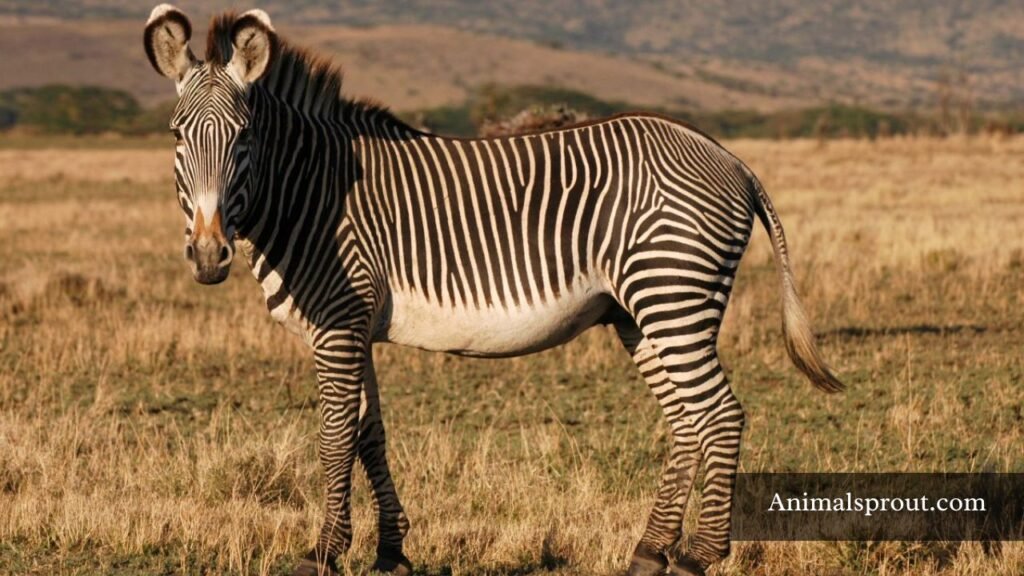
Moreover, the mane serves an important social function. Zebras are highly social animals, living in herds where relationships are key to survival. The way a zebra wears its mane can indicate mood and social rank within the group, acting as a silent communicator among herd members. This distinct feature not only enhances their beauty but also showcases the complex dynamics of zebra society, offering insights into the evolutionary adaptations that have allowed them to thrive in diverse habitats.
Lion
Scientific Name: Panthera leo
Class: Mammalia
Diet: Carnivore
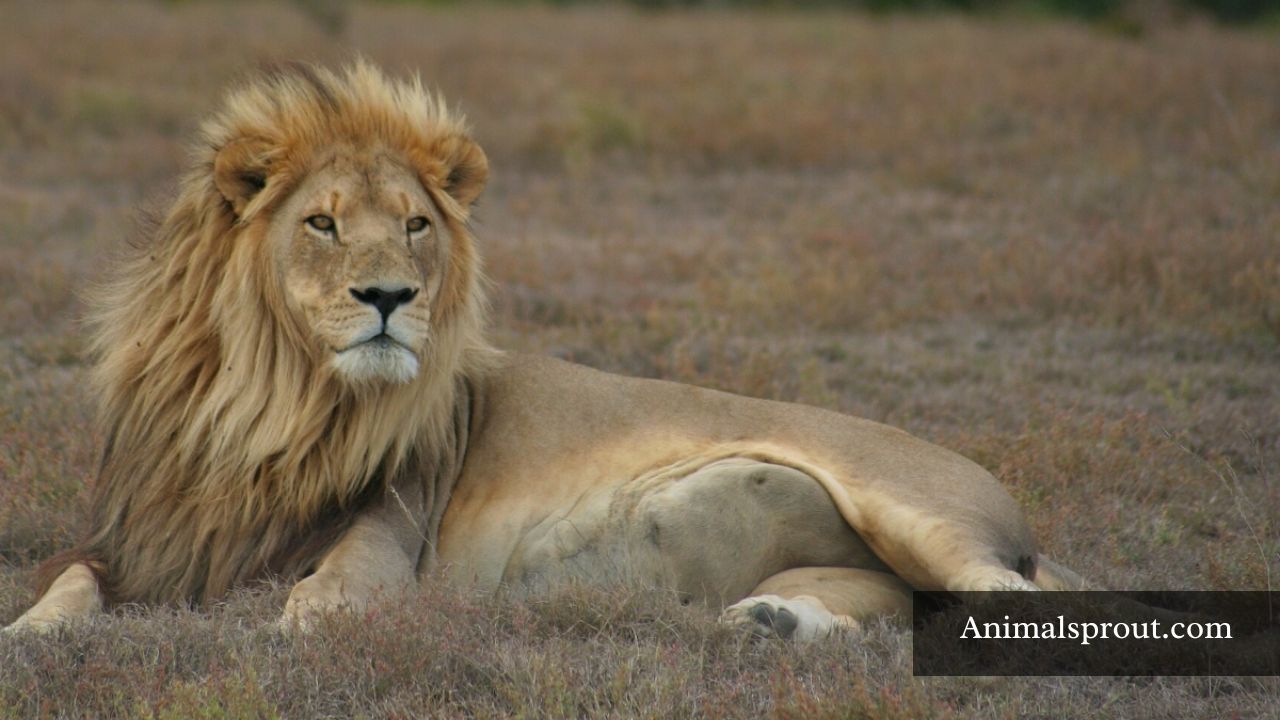
The lion’s mane is one of nature’s most striking adaptations, serving not only as a visual spectacle but also as a crucial element in the animal’s social hierarchy. Dominated by the males, the mane signifies both virility and fitness. Its deep shade and fullness can indicate the health of the lion, with darker and denser manes often correlating with higher testosterone levels, which can attract potential mates. This fascinating detail reveals how physical traits are deeply intertwined with survival and reproductive strategies.
Beyond aesthetics, the mane also plays a vital role in protection during fierce battles for territory. It provides a buffer against bites aimed at the neck, which can be critical during aggressive skirmishes with rival males. Interestingly, the mane’s color and size can vary greatly depending on the lion’s habitat; lions in cooler, shaded regions tend to sport fuller manes than their counterparts in hotter environments.
Wildebeest
Scientific Name: Connochaetes taurinus
Class: Mammalia
Diet: Herbivore
Wildebeests, with their distinctive shaggy manes, stand out in the vast African savannas, a feature that serves both aesthetic and practical purposes. These manes, which can vary in color from dark brown to black, not only enhance their rugged appearance but also play a crucial role in communication and social interactions within herds. As they graze in large groups, the flowing hair creates a dynamic visual tapestry, reinforcing the sense of unity among the animals while also intimidating potential predators.
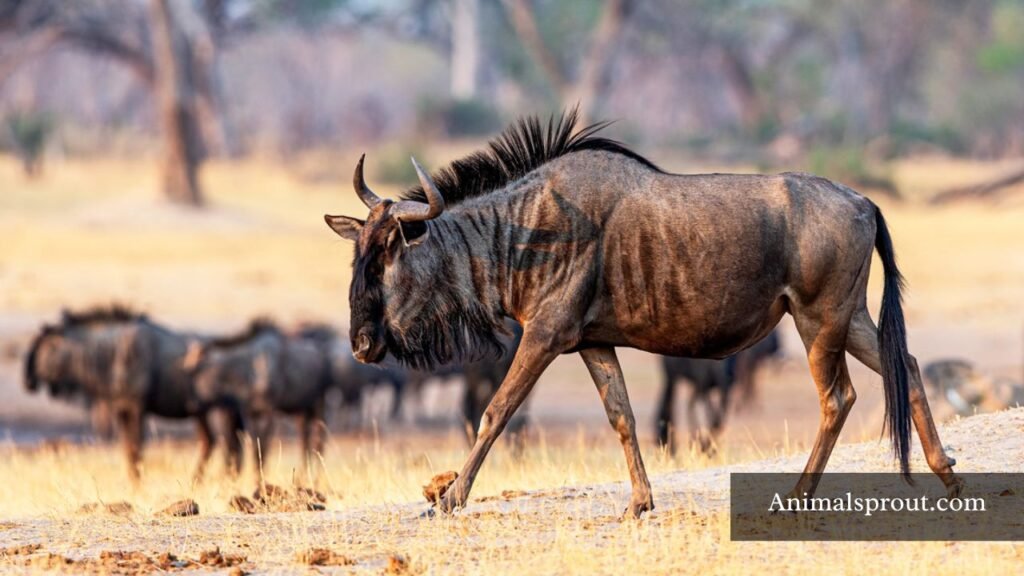
Beyond mere appearance, the mane of a wildebeest is a testament to their resilience. During the annual Great Migration, which sees millions traverse treacherous landscapes, their manes can trap moisture, helping to cool their bodies under the relentless African sun. Furthermore, this feature can function as a barrier against biting insects, providing yet another survival advantage in their challenging environment.
Maned Wolves
Scientific Name: Chrysocyon brachyurus
Class: Mammalia
Diet: Omnivore
Maned wolves, often mistaken for a blend between a fox and a wolf due to their long legs and distinctive mane, are a unique species native to South America. Originating from the grassy and open country, they are surprisingly solitary creatures, which contrasts with the social dynamics typically associated with canids like wolves and coyotes. Their striking appearance, accentuated by a reddish-brown coat and a black mane that stands upright when threatened, serves not only an aesthetic purpose but also plays a significant role in communication, signaling their mood to both potential rivals and mates.
What sets maned wolves apart is their omnivorous diet, primarily composed of fruits, small mammals, and insects, although they exhibit a particular fondness for the unusual — like the savory fruit of the lobeira (Solanum lycocarpum), also known as the wolf apple. This adaptability in diet not only showcases their versatility but also hints at the intricate ecological balance they maintain within their habitats. Their unique vocalizations, often likened to a cross between a howl and a bark, further add to their enigmatic nature, inviting intrigue and respect for a species rarely seen in the wild. As landscapes shrink due to human encroachment, understanding and protecting the maned wolf becomes essential — not just for the species itself but for the biodiversity it supports.
Gelada Baboon
Scientific Name: Theropithecus gelada
Class: Mammalia
Diet: Herbivore
The Gelada baboon, often referred to as the “lion of the mountains,” captivates with its striking mane-like fur that flows down its chest and neck. This unique feature serves not only as a visual spectacle but also plays a crucial role in social interactions. Unlike most primates, the Gelada’s mane is a key indicator of health and status, often used to assert dominance within their complex social structures. Observing their interactions reveals a rich tapestry of communication, where the flaunting of mane can signal readiness for mating or establish hierarchy among males.

In their mountainous Ethiopian habitat, Geladas congregate in large groups, creating a vibrant community that thrives on cooperation and social bonding. This communal lifestyle ensures their survival in harsh conditions, as they forage for grass and seeds together. Interestingly, Geladas have adapted to a unique grazing behavior, often adopting a human-like posture when feeding, which adds an intriguing layer to their parenting and social dynamics.
Giraffe
Scientific Name: Giraffa camelopardalis
Class: Mammalia
Diet: Herbivore
The giraffe, often celebrated for its towering height and striking patterns, also boasts a unique mane that captures the imagination. Unlike the flowing manes of horses, a giraffe’s mane consists of short, coarse hair as a row of distinct tufts running along the top of its neck. This mane serves a dual purpose: not only does it enhance the giraffe’s already impressive silhouette, but it also plays a role in social interactions, signaling health and vitality to potential mates.
Interestingly, the mane aids in thermoregulation, helping to dissipate heat as these gentle giants navigate the hot savannah. Its structure allows air circulation close to the skin, an ingenious adaptation for survival in their environment. The mane is more than just a physical feature; it is integral to the giraffe’s identity, marking the subtle differences between individuals and adding to the tapestry of their rich social behaviors.
Maned Sloth
Scientific Name: Bradypus torquatus
Class: Mammalia
Diet: Herbivore
The Maned Sloth, a remarkable inhabitant of the South American rainforests, brings a unique twist to the idea of “mane” in the animal kingdom. Unlike the iconic flowing manes of lions or horses, the Maned Sloth sports a distinct patch of fur on its back, resembling a subtle yet striking mane. This adaptation not only enhances its appearance but also serves as an ingenious form of camouflage, allowing the sloth to blend seamlessly into its arboreal habitat. This blend of functional and aesthetic qualities underscores nature’s artistry in evolution.
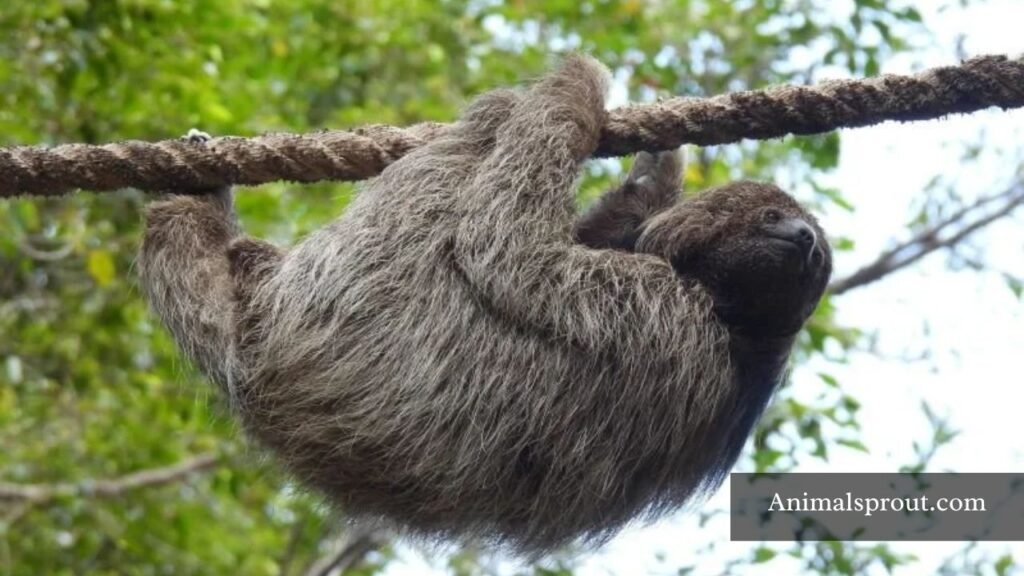
Moreover, the Maned Sloth’s lifestyle adds an intriguing layer to its character. As a creature that spends most of its life hanging upside down, it embodies a leisurely existence that defies the high-speed rhythm of the modern world. This slow-paced approach comes with its own set of advantages; their deliberate movements and unique digestive systems allow them to thrive on a diet of leaves that many other animals would find unpalatable.
Golden Lion Tamarin
Scientific Name: Leontopithecus rosalia
Class: Mammalia
Diet: Omnivore
The Golden Lion Tamarin, with its striking mane that glimmers like sunlit gold, is more than just a visual wonder — it embodies resilience in the face of environmental challenges. Native to the Brazilian Atlantic Forest, this small primate boasts an impressive coat that serves as both a protective and social signal. The vibrant fur, reminiscent of a regal lion’s mane, is not just for show; it plays an essential role in social interactions, helping to solidify bonds within family groups while also warding off potential threats.
Furthermore, the Golden Lion Tamarin is a remarkable emblem of conservation efforts. Once teetering on the brink of extinction, its population has seen a resurgence thanks to habitat restoration and innovative reintroduction projects. These initiatives not only highlight the species’ beauty but also serve as a beacon for biological diversity in rapidly diminishing ecosystems. Observing these nimble creatures swing through the treetops offers a powerful reminder of the delicate balance between nature and humanity’s footprint, inviting us all to play a part in preserving our planet’s rich tapestry of life.
Bactrian Camel
Scientific Name: Camelus bactrianus
Class: Mammalia
Diet: Herbivore
The Bactrian camel, with its distinctive two humps, is often overshadowed by its more famous Dromedary cousin. However, it is the Bactrian camel’s shaggy mane that sets it apart, giving it a striking appearance, particularly during the cold months when its fur thickens for warmth. This mane serves more than just an aesthetic purpose; it plays a crucial role in insulation against the harsh climates of Central Asia, where temperatures can plummet drastically.
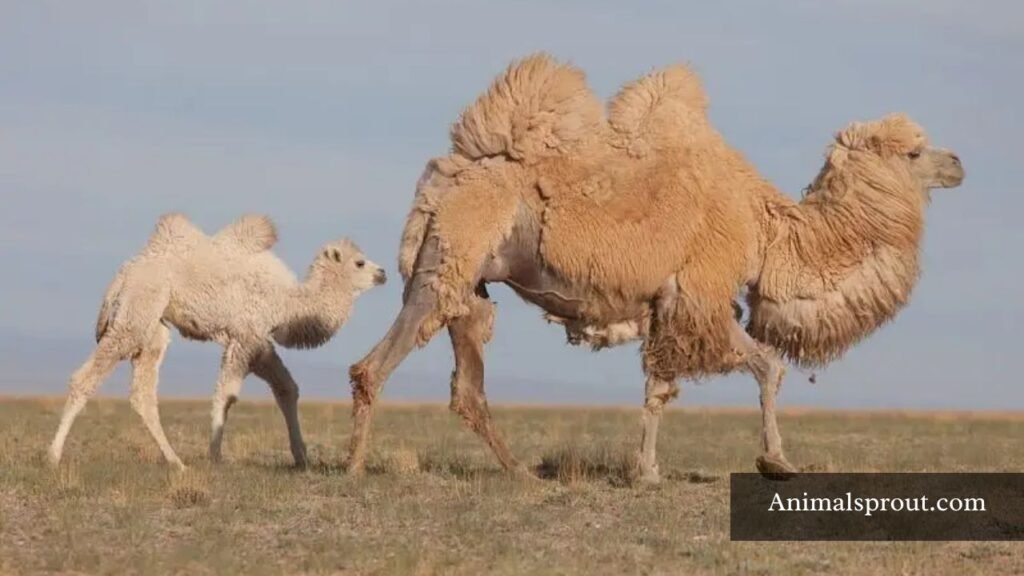
Beyond its adaptability, the Bactrian camel embodies resilience and strength, traits that have made it an invaluable companion to nomadic cultures. They can endure long treks across vast deserts while carrying heavy loads, reflecting a symbiotic relationship cultivated over centuries between these camels and the peoples of Mongolia and China.
Yak
Scientific Name: Bos grunniens
Class: Mammalia
Diet: Herbivore
The yak, a majestic creature of the Himalayas, boasts a luxurious mane that serves more than just an aesthetic purpose. In the harsh environments where they reside, these thick, flowing hairs offer crucial insulation against biting winds and freezing temperatures. Surprisingly, this adaptation is not solely for warmth; the mane also acts as a protective layer against the rugged terrain, preventing injuries from sharp rocks and icy surfaces.
Beyond their physical attributes, yaks hold significant cultural and economic importance for the communities around the Tibetan Plateau. Local nomadic tribes rely on these magnificent animals for their milk, meat, and even the fibers from their manes to create durable textiles. This dual role as both a source of livelihood and a symbol of resilience in a challenging environment adds layers of meaning to the yak’s majestic appearance.
Horse
Scientific Name: Equus ferus caballus
Class: Mammalia
Diet: Herbivore
Horses, with their flowing manes cascading down their necks, are not just symbols of beauty but also ancient guardians of tradition. The mane serves a functional purpose as well, helping to protect the horse from harsh weather and insects while adding an element of elegance during movement. The way a horse’s mane sways and dances as it gallops conveys a language of its own, expressing moods and vitality, captivating onlookers.
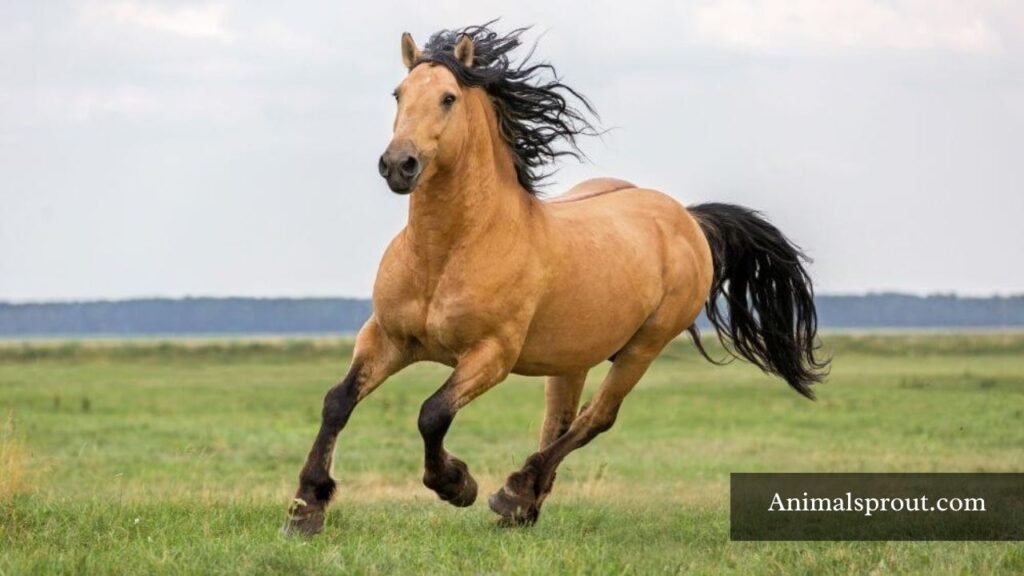
Beyond their physical allure, manes can also reflect the identity and heritage of the horse. Different breeds sport distinct mane styles; for instance, the long, thick mane of the Friesian contrasts sharply with the neatly clipped mane of a Thoroughbred. Grooming and styling the mane are often considered an art form, with horse owners and riders showcasing their dedication and bond with their steeds at competitions. In folklore and art, the manes of horses have been illustrated as symbols of freedom and strength, reminding us that these majestic animals have not only served humanity but have also captured our imaginations for centuries.
Hyena
Scientific Name: Crocuta crocuta
Class: Mammalia
Diet: Carnivore
Hyenas are often misunderstood creatures, primarily due to their portrayal as scavengers in popular media. However, the spotted hyena, in particular, boasts a striking mane that is not just a physical trait but a symbol of their societal structure and behavior. The mane, which can stand erect, not only gives them a rugged appearance but also plays a significant role in communication within their clans. When threatened or excited, a hyena will raise its mane, signaling alertness and unity to fellow clan members.
Interestingly, the mane is more prominent in females than in males, reflecting the matriarchal nature of hyena society where females dominate in both social hierarchy and physicality. This unique characteristic contrasts sharply with the traditional perceptions of strength and leadership, challenging the narrative that male animals are always the dominant figures. Furthermore, the coarse texture of their fur is not just for show; it offers protection from the elements and even from potential injuries during conflicts, embodying resilience in their rugged habitats.
Bison
Scientific Name: Bison bison
Class: Mammalia
Diet: Herbivore
Bison are more than just towering figures of the plains; their shaggy manes tell a story of survival and adaptability. These majestic creatures, often mistaken as mere livestock, embody a rugged beauty that allows them to thrive in harsh environments. The mane, which is most pronounced in males, isn’t just for show — it plays a crucial role in their social dynamics and protective behaviors. During mating season, males flaunt their impressive manes in displays of strength, signaling their health and vitality to potential mates.
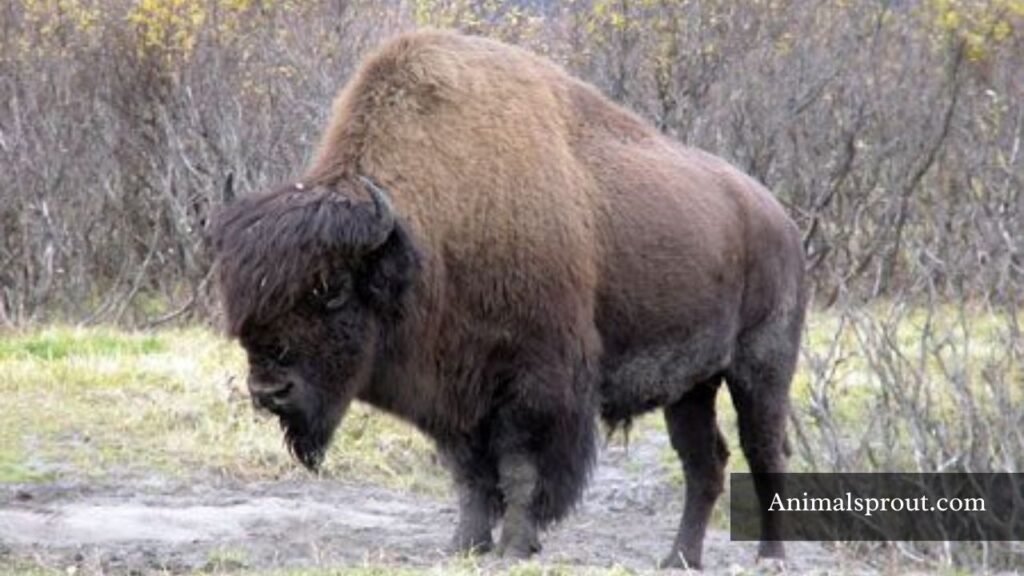
Beyond their physical attributes, bison manes contribute to their ecological niche. The thick fur offers insulation against extreme temperatures, helping these creatures endure frigid winters and scorching summers.
Lion-tailed Macaque
Scientific Name: Macaca silenus
Class: Mammalia
Diet: Omnivore
The lion-tailed macaque, a striking primate native to the Western Ghats of India, stands out not only for its impressive mane but also for the richness of its behavior and habitat. Unlike the true lions whose manes symbolize dominance, the mane of the lion-tailed macaque serves a different purpose. It is intricately linked to their social dynamics, acting as a display of health and vitality, which can attract potential mates. These monkeys thrive in the canopy of tropical forests, where their long tails and agile bodies allow them to navigate the treetops with ease.
Interestingly, the lion-tailed macaque reflects the delicate balance of their ecosystem. As a frugivore, they play a crucial role in seed dispersal, contributing to forest regeneration. However, their continued survival is overshadowed by habitat loss and fragmentation, primarily due to human activities. By focusing on the conservation of their dense forest homes, we not only ensure the survival of these charismatic primates but also the myriad of species that share their environment. The lion-tailed macaque stands as a symbol of the wonders of biodiversity and the urgent need for conservation efforts to protect such unique inhabitants of our planet.
Sable Antelope
Scientific Name: Hippotragus niger
Class: Mammalia
Diet: Herbivore
The sable antelope, with its strikingly dark coat and impressive curved horns, presents a regal image in the African savanna. These magnificent creatures exhibit a mane of thick, upright fur along their necks, a feature that not only enhances their appearance but serves crucial purposes in their social dynamics. The mane becomes particularly pronounced in males, acting as a visual display of health and virility, helping to attract mates and assert dominance during confrontations with rivals.

Beyond aesthetics, the sable antelope’s mane plays a key role in their survival. This thick fur provides protection against both the harsh sun and biting insects, enabling these animals to thrive in their hot, open habitats. Interestingly, their social structure often revolves around small family groups or bachelor herds, where the presence of the mane can influence hierarchy and social interactions among group members.
Readmore: Explore Top 20 Most Energetic Animals In The World.
Final Thoughts
The presence of manes across different animal species reveals a lot about their evolution and survival strategies. From the iconic mane of the lion that serves as a symbol of power in the animal kingdom to the elegant mane of the horse that captivates our imagination, these adaptations are vital in their respective worlds.
Understanding the significance of manes helps us appreciate the complexity of nature and the relationships within ecosystems. Each mane carries its own significance, offering a glimpse into the lives of the creatures that possess them. Let’s continue to explore and advocate for the preservation of these magnificent animals and their habitats.
FAQs
Do zebras have manes?
Yes, zebras do have manes! Their manes are short and erect, running along the top of their neck. Unlike the long, flowing manes of horses, zebra manes are more bristly and often have the same striking black-and-white stripe pattern that characterizes their bodies.
Do tigers have manes?
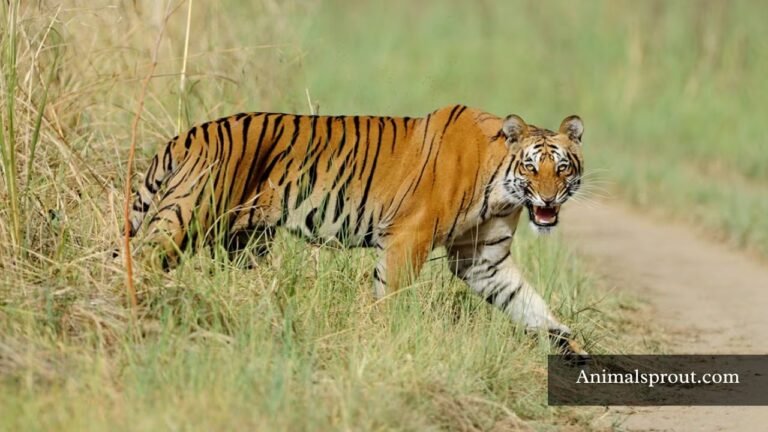
No, tigers do not have manes.
Why do giraffes have manes?
Giraffes have manes primarily for social signaling and thermoregulation. The mane can help young giraffes identify each other and their mothers in the wild. It also plays a role in communication, as the mane stands up when a giraffe is feeling threatened, indicating alertness to other individuals in the group. The mane helps with cooling. Giraffes inhabit warm environments, and the mane can help dissipate heat, keeping them more comfortable.