Top 14 Animals That Whistle (Images Included)
This article dives into the intriguing phenomenon of animals that whistle, revealing the variety of species that utilize this distinctive sound. By learning about these whistling creatures, readers will gain insight into the importance of vocal communication in the animal kingdom and how it enhances their survival. Prepare to broaden your horizons as we uncover the secrets behind the melodies of nature!
List of Animals That Whistle
Below is the list of animals that can whistle:
| Number of Animals | Whistling Animals in the World |
| 1 | Pygmy Marmosets |
| 2 | Dholes |
| 3 | Northern Mockingbird |
| 4 | Walnut Sphinx Caterpillars |
| 5 | Marmots |
| 6 | Elephants |
| 7 | Prairie Dog |
| 8 | Canary |
| 9 | Bottlenose Dolphins |
| 10 | Mice |
| 11 | Common blackbird |
| 12 | Guinea Pigs |
| 13 | Bats |
| 14 | Tundra Swan |
Pygmy Marmosets
Scientific name: Cebuella pygmaea
Class: Mammalia
Diet: Omnivore
Pygmy marmosets, the tiniest monkeys on Earth, are not only remarkable for their size — reaching a mere 4 to 6 inches in length — but also for their unique communication skills. These miniature primates produce an array of whistling sounds, which serve not just for social interaction, but also as a means of warning and territory signaling. Their whistles are fine-tuned to their dense forest environment, minimizing noise to avoid drawing the attention of larger predators while still conveying essential information among family groups.
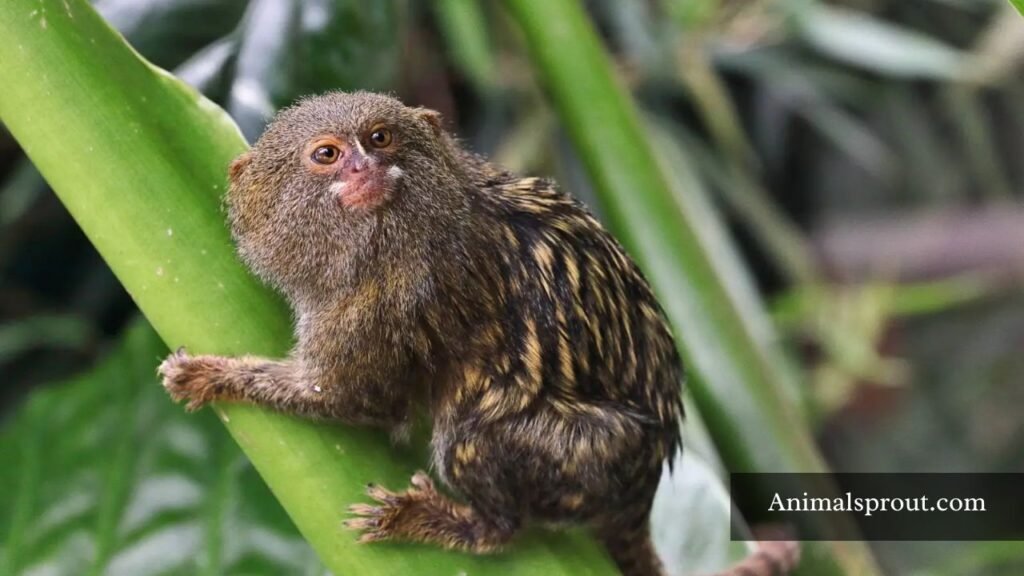
What’s intriguing about their vocalizations is the complexity behind them. Researchers have found that these sounds can change contextually, reflecting the social dynamics within a troop. For instance, marmosets will vary their whistles based on the presence of other species or threats nearby, showcasing a remarkable level of adaptability. Moreover, these little musicians are social creatures that thrive on maintaining bonds within their group, and their whistling plays a significant role in coordinating movement and foraging activities, creating a symphony of communication that resonates through the treetops of the Amazon.
Dholes
Scientific name: Cuon alpinus
Class: Mammalia
Diet: Carnivore
Dholes, often overshadowed by more iconic predators, possess an intriguing vocal repertoire that sets them apart in the animal kingdom. These wild canines, native to Asia, communicate in a series of high-pitched whistles and yips, conveying everything from excitement during a hunt to alerts among pack members. This sophisticated sound system is essential for maintaining the cohesion of their social structure, as dholes are highly social animals living in family groups or packs.
What’s fascinating is the way dholes utilize their whistles in different contexts, often modulating their pitch to convey distinct messages. This adaptability can be a crucial advantage in their dense forest habitats, where visual signals can be obscured. Beyond their vocal talents, these creatures also exhibit unique hunting strategies that hinge on teamwork, demonstrating that social communication is not just a perk but a survival mechanism in their challenging environments. Observing a pack of dholes in action not only reveals their remarkable agility and intelligence but also invites us to appreciate the complexity of communication in the animal kingdom.
Northern Mockingbird
Scientific name: Mimus polyglottos
Class: Aves
Diet: Omnivore
The Northern Mockingbird, a master of vocal mimicry, enchants with its ability to whistle an array of sounds that can mimic everything from human-made noises to the calls of other birds. Native to North America, this small, gray-brown bird uses its extraordinary vocal talents not just for communication but also to establish territory and attract mates. What sets it apart is its impressive repertoire; a single mockingbird can imitate up to 200 different songs, often blending them seamlessly into its own unique melodies.
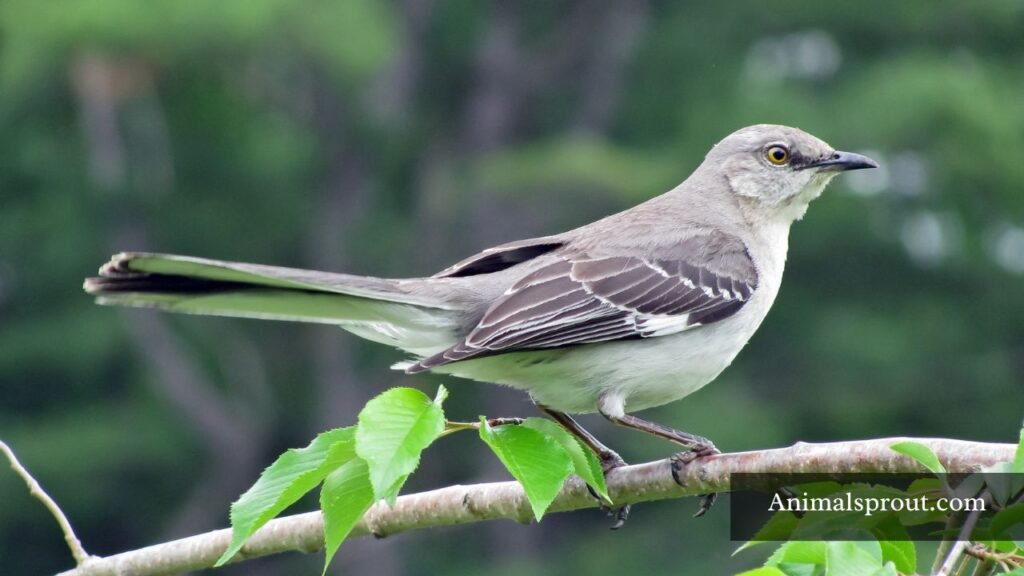
Observing a Northern Mockingbird in the wild can feel like attending a living concert, where the artist is as unpredictable as it is captivating. Its whistling often includes a blend of sweet trills and sharp phrases, which can leave listeners pondering whether they are hearing the call of a nearby thrush or the unique tone of a cat’s meow. Beyond its impressive vocalizations, the mockingbird symbolizes adaptability, thriving in urban environments and rural landscapes alike.
Walnut Sphinx Caterpillars
Scientific name: Amorpha juglandis
Class: Insecta
Diet: Herbivore
The Walnut Sphinx Caterpillar, a striking larval stage of the Sphinx moth, surprises many with its unique whistling ability. While caterpillars are often associated with quiet munching, this extraordinary creature takes a different approach. When threatened, it emits a high-pitched whistle by forcing air through specialized structures in its mouth, creating an unexpected and eerie sound. This defense mechanism not only startles potential predators but also showcases an intriguing facet of insect communication often overlooked.
Beyond their whistling talent, Walnut Sphinx Caterpillars are equally captivating in their appearance. With their vibrant green bodies adorned with distinctive markings, they mirror the foliage of walnut trees, skillfully blending into their environment. This camouflage is a crucial survival tactic, enhancing their ability to evade detection by hungry birds.
Marmots
Scientific name: Marmota marmota
Class: Mammalia
Diet: Herbivore
Marmots, often regarded as adorable sentinels of the alpine meadows, possess a remarkable communication skill that sets them apart in the animal kingdom: the ability to whistle. This distinctive sound, a sharp and piercing call, serves as a crucial part of their social structure, alerting fellow marmots to potential dangers or signaling other behaviors within their troop. When a predator lurks nearby, the whistle acts as an alarm system, ensuring that all members of the colony are aware and can take cover quickly.
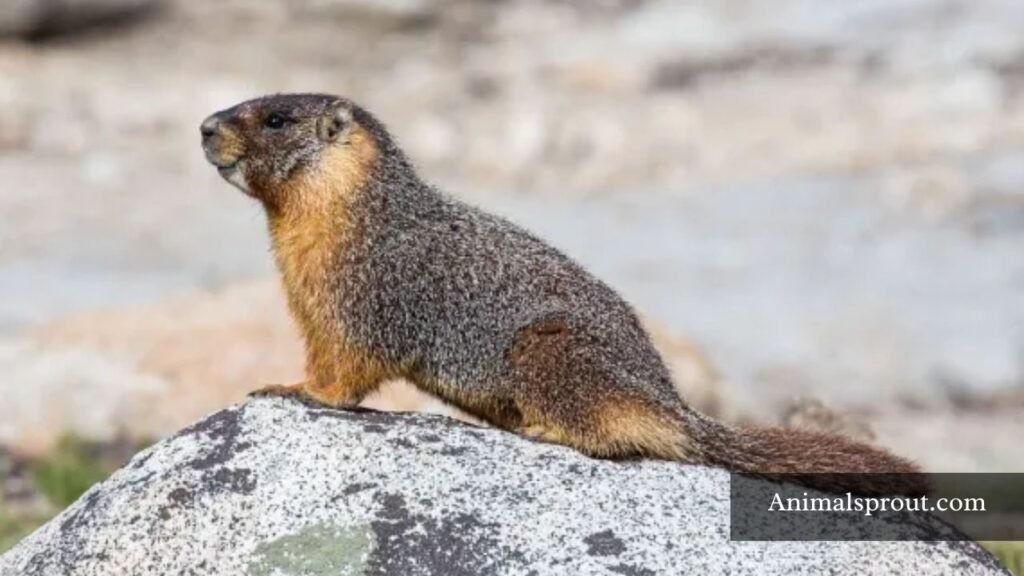
Beyond mere survival, these whistles facilitate social interactions among marmots, fostering bonds within their tight-knit communities. Each whistle can convey different intentions, from playful invitations to warnings, showcasing an intricate language that reflects their social complexity. Observing them in the wild — watching their animated chatter while they frolic in meadows — offers a glimpse into a sophisticated world where sound plays a pivotal role in navigating threats and reinforcing social ties.
Elephants
Scientific name: Loxodonta africana
Class: Mammalia
Diet: Herbivore
Among the animal kingdom, elephants stand out not just for their size but also for their remarkable vocal abilities, including whistling. These gentle giants can produce a range of sounds, and their whistles carry an emotional resonance that speaks volumes about their social structures. When elephants whistle, it’s often a form of communication with their peers, signaling everything from excitement during play to reassurance among family members.
What’s particularly fascinating is the way in which these whistles can vary in pitch and tone, much like human musical notes. Elephants are known to mimic the sounds of other wildlife, showcasing their keen auditory skills and adaptability. This means that their whistling isn’t simply a random auditory expression; it can serve to strengthen social bonds or even initiate complex behaviors like cooperative problem-solving within groups.
Prairie Dog
Scientific name: Cynomys ludovicianus
Class: Mammalia
Diet: Herbivore
Prairie dogs, often overlooked in favor of their larger, more charismatic cousins like wolves or bears, possess a complex social structure that includes a unique form of communication marked by whistling sounds. These small, burrowing rodents create a sophisticated language that conveys a variety of messages, from alerting others about nearby predators to announcing a good food source. Their “whistles” are actually high-pitched chirps that vary in tone and frequency, almost like a natural symphony that reflects their lively communal life.
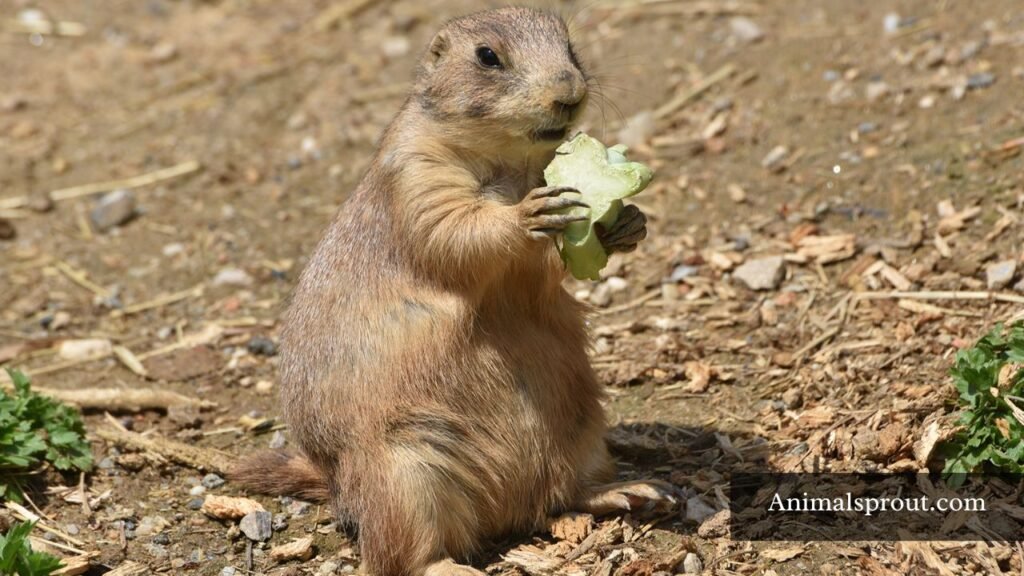
What’s fascinating is that different species of prairie dogs can produce distinct whistles, suggesting regional dialects. This intricate communication system highlights their social intelligence; they can even describe specific threats, such as the type of predator approaching, which helps their colony respond effectively to danger. Observing prairie dogs in their natural habitat, one can’t help but marvel at how these seemingly simple creatures engage in complex social interactions that echo the rich tapestry of life on the plains. Their ability to adapt and thrive in a challenging environment while maintaining a tightly-knit community sheds light on the intricate connections formed in the animal kingdom.
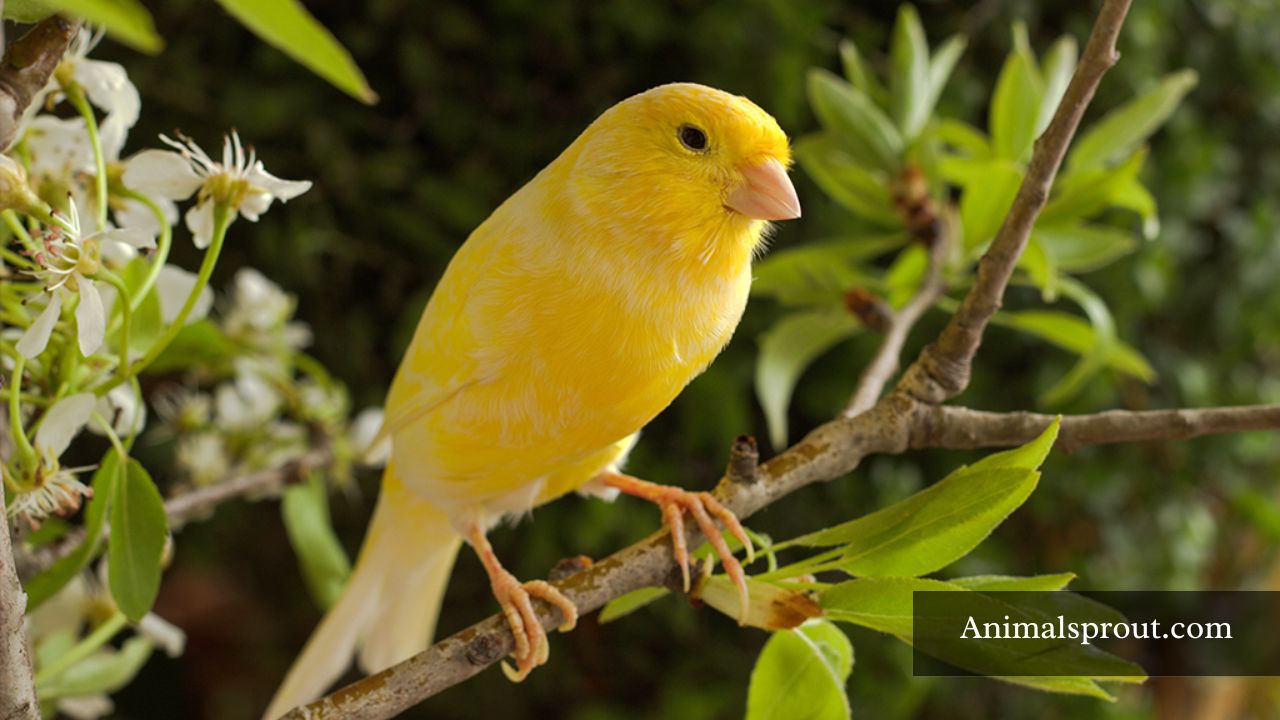
Canary
Scientific name: Serinus canaria
Class: Aves
Diet: Omnivore
A canary’s whistle is more than just a delightful song; it’s a sophisticated blend of melody and instinctual communication. Originating from the Canary Islands, these small, vibrant birds possess an innate talent for producing a wide array of tones, which not only mesmerizes their owners but also serves vital social functions in the wild. Each whistle can convey emotions ranging from joy to a warning of predators, reflecting their rich social behaviors.
Interestingly, the quality of a canary’s song can vary significantly among species and even individual birds, influenced by factors like genetics and environment. Some canaries, like the American Singer, are specifically bred for their exceptional whistling abilities, captivating enthusiasts with their intricate vocalizations. Engaging with a canary can be a rewarding experience, as their songs often create a lively atmosphere that enriches any home.
Bottlenose Dolphins
Scientific name: Tursiops truncatus
Class: Mammalia
Diet: Carnivore
Bottlenose dolphins, celebrated for their intelligence and social nature, utilize a unique whistle that captivates both researchers and casual observers alike. Unlike many animals that communicate through a series of grunts or cries, these marine mammals produce a variety of whistles that serve as individual signatures. Each dolphin carries a distinct whistle, functioning like a name, allowing them to call and identify one another within complex social groups.

Beyond mere communication, the whistling behavior of bottlenose dolphins showcases their cognitive sophistication. Studies have revealed that these whistles can convey emotions, such as excitement or distress, reflecting a rich emotional landscape. Moreover, their ability to adapt these sounds in different situations highlights their keen understanding of social dynamics — an insight that deepens our appreciation for their underwater societies.
Mice
Scientific name: Mus musculus
Class: Mammalia
Diet: Omnivore
Mice may not be the first animals that come to mind when we think of whistlers, yet these tiny creatures have an impressive vocal repertoire that includes soft whistles. This unique sound is not just a charming quirk; it’s a crucial part of their social communication. Whistling serves as a means for mice to convey messages to one another, particularly in alerting peers to potential dangers or coordinating movements within their groups.
The frequency and tone of a mouse’s whistle can vary based on their emotional state. A higher pitch might indicate excitement or fear, while a lower, steadier whistle can signify contentment or comfort. Observing these vocalizations adds a layer of complexity to our understanding of mouse behavior. It’s a reminder that even in the smallest creatures, there’s a rich tapestry of communication waiting to be explored, filled with nuances that reveal their social structures and survival strategies.
Common blackbird
Scientific name: Turdus merula
Class: Aves
Diet: Omnivore
The common blackbird, with its glossy black feathers and bright orange beak, is often regarded as the maestro of the avian world. Its distinctive whistling song resonates through woodlands and gardens, marking the arrival of spring with a melodic flourish. This bird’s ability to produce a range of whistles, from melodic trills to sharp calls, showcases its adaptability in communication, allowing it to establish territory and attract mates.
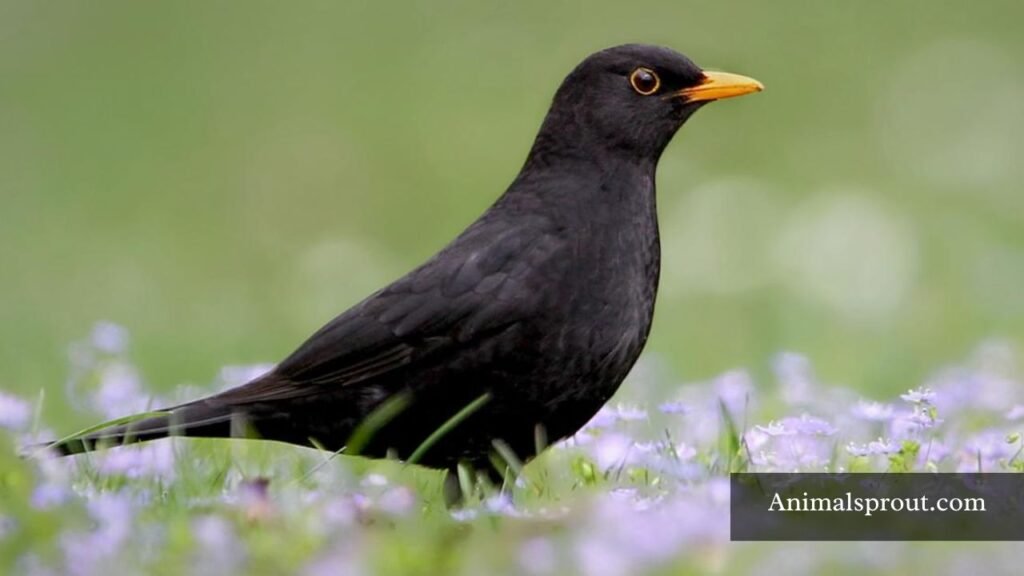
Blackbirds aren’t just skilled vocalists; their songs can also change based on environmental factors and interactions with other species. Observing these vocal variations can offer a unique glimpse into their behavioral patterns and social dynamics. Each tune carries not just a note but a story, weaving a complex narrative of life in the wild.
Guinea Pigs
Scientific name: Cavia porcellus
Class: Mammalia
Diet: Herbivore
Guinea pigs are surprisingly vocal creatures, using a range of whistling sounds to communicate their emotions and needs. These melodious pets have a unique way of expressing happiness, often whistling in delight when they anticipate treats or when their human companions are nearby. Their high-pitched whistles can be both charming and amusing, creating a delightful soundtrack to their playful antics. Observing a guinea pig responding to a favorite sound or person can reveal the deep bond they form with their caretakers.
Beyond their joyful whistling, guinea pigs also utilize this ability as a form of social interaction within their herds. In the wild, they communicate with each other to maintain group cohesion and alert others to potential dangers. Each guinea pig has its own distinctive sound pattern; once you learn to decipher these, you’ll discover nuanced layers of their personalities — some may whistle sweetly while others might emit more urgent calls. This auditory language not only enriches their social experiences but also invites their human friends to engage more fully in their quirky little worlds.
Bats
Scientific name: Chiroptera
Class: Mammalia
Diet: Insectivore/Frugivore
Bats are often associated with a swift flapping of wings and shadowy figures darting through the night sky, but many people overlook their astonishing vocal abilities. Among the diverse bat species, some use whistling as a form of communication, signaling everything from proximity to imminent danger. This unique form of vocalization is not just a charming quirk; it plays a critical role in their social structures and breeding behaviors. By producing high-pitched whistles, bats can convey intricate messages to each other, allowing them to maintain social bonds and coordinate their activities even in total darkness.
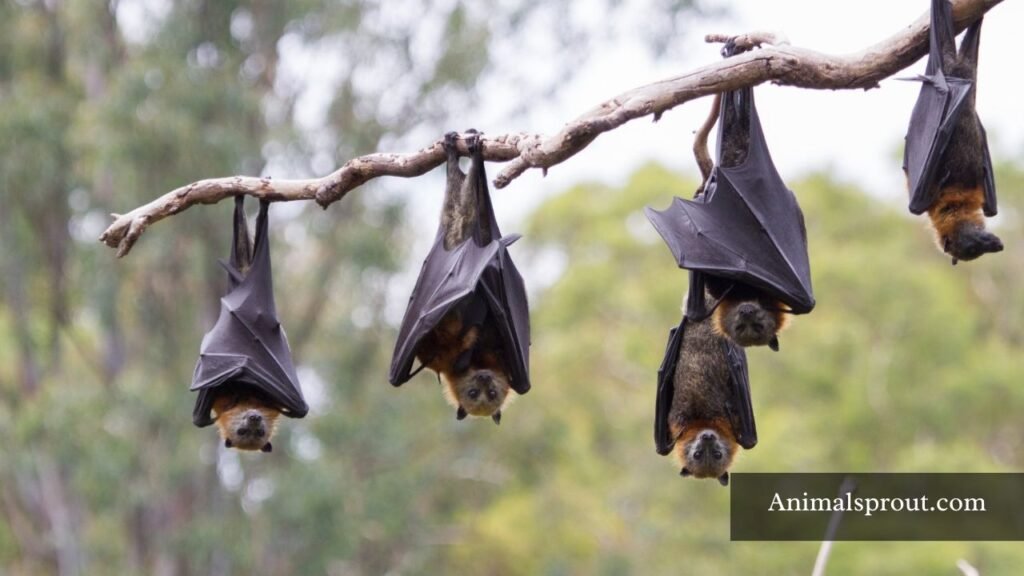
This whistling isn’t merely a casual exchange; it reveals much about the bats’ sensory adaptations. Their ability to process sound is finely tuned, allowing them to discern varying frequencies, which is essential for navigation and foraging. For instance, the Brazilian free-tailed bat employs a series of whistles to communicate while in flight, showcasing not only their agility but also a level of social sophistication rarely seen in the animal kingdom.
Tundra Swan
Scientific name: Cygnus columbianus
Class: Aves
Diet: Herbivore
The Tundra Swan, a magnificent creature of the Arctic, captivates not only with its elegant appearance but also with its distinctive vocalizations. Unlike the deep honks of its broader relatives, the Tundra Swan produces a soft, whistle-like sound that resonates across the frigid landscapes it calls home. This piercing yet melodic whistle serves multiple purposes; it aids in communication amongst mates and during the migration journey, facilitating cohesion in the tight-knit family units that these swans form.
Interestingly, their calls evolve depending on the context. During mating season, the swans engage in vocal duets, a phenomenon that enhances their bonds and showcases their fitness to potential mates. These intimate exchanges are coupled with intricate courtship displays, creating a harmonious blend of sound and movement that captivates both onlookers and fellow swans. As climate change alters their migratory patterns, the Tundra Swan’s adaptability and resilience become crucial, reminding us of the intricate connections within ecosystems — and the importance of safeguarding these avian symphonies for future generations.
Readmore: Explore 15 Animals That Have Manes.
Final Thoughts
The enchanting world of whistling animals showcases the remarkable diversity of communication within the animal kingdom. From the melodious calls of birds to the surprising whistles of marine mammals, each species employs this unique trait for various purposes, including attracting mates and establishing territory. Whistling not only enhances the richness of their environments but also highlights the intricate relationships these creatures have with their surroundings.
As we continue to explore and appreciate this fascinating aspect of animal behavior, we should also recognize the importance of conserving their habitats. Let us strive to protect these extraordinary animals and the ecosystems that allow their songs to thrive.
FAQs
What are the animals that whistle at night?
Several animals are known to whistle at night which includes Tree Frogs, Mice, Bats, Nightingales, Whip-poor-wills, and Owls.
What are animals that whistle and click?
Animals that whistle and click include: Dolphins, Bats, Elephants, Mockingbirds, Canaries, Starlings, Mice, Whales, Walnut Sphinx Caterpillars.