Top 15 Animals That Have The Biggest Brains (With Pictures)
In this article, we’ll explore the fascinating world of animals that have the biggest brains, uncovering the link between brain size and cognitive abilities. Understanding these remarkable species not only highlights the diversity of intelligence in the animal kingdom but also sheds light on evolutionary adaptations that have shaped their behaviors.
List of Animals That Have The Biggest Brains
Below is the list of animals with the biggest brains:
| Number of animals | Names of animals with biggest brains |
| 1 | Elephant |
| 2 | Octopus |
| 3 | Sperm Whale |
| 4 | Gorilla |
| 5 | Ravens and Crows |
| 6 | Rhinoceros |
| 7 | Orangutan |
| 8 | False Killer Whale |
| 9 | Chimpanzee |
| 10 | Orca |
| 11 | Giraffe |
| 12 | Walrus |
| 13 | Human |
| 14 | Parrots |
| 15 | Bottlenose Dolphin |
Elephant
Class: Mammalia
Diet: Herbivore
Elephants, with their impressive brains weighing around 11 pounds, stand out not just for size but for the remarkable complexity of their cerebral structure. This immense brain supports advanced social behaviors and emotional intelligence, enabling elephants to form deep familial bonds and exhibit empathy towards one another. Observations have shown that they can recognize themselves in mirrors, a sign of self-awareness that is rare in the animal kingdom. This capability suggests a level of cognitive sophistication that challenges our understanding of animal intelligence.
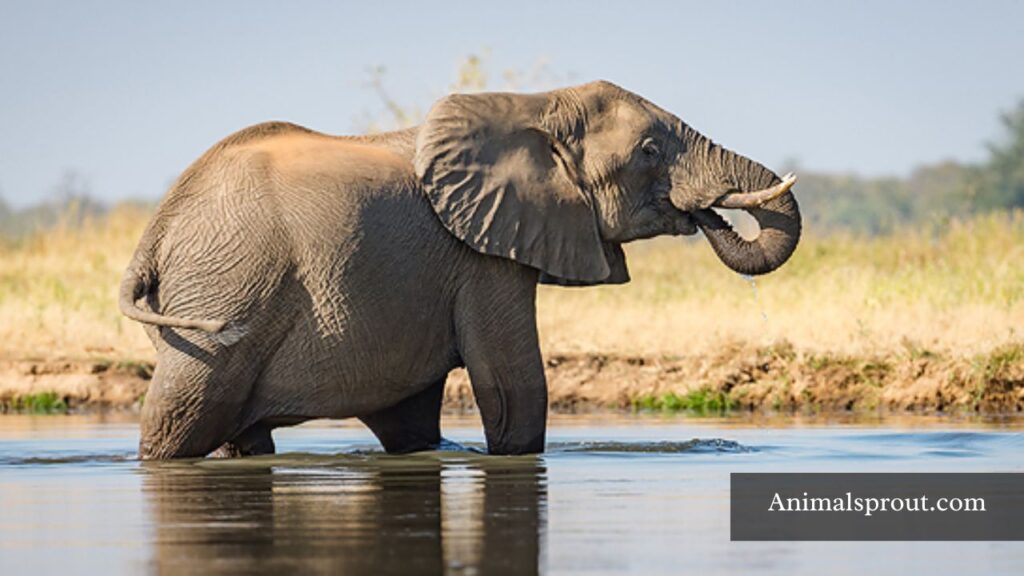
Moreover, elephants possess an extraordinary memory, often described as “elephantine.” They can recall locations of water sources over vast distances, which is crucial for survival in their often arid habitats. This ability extends beyond mere survival tactics; it encompasses remembering individuals, both fellow elephants and humans, showcasing their capacity for long-term relationships. Their communication skills, using low-frequency sounds that travel great distances, further illustrate their social complexity and awareness of their environment.
Octopus
Scientific Name: Octopus vulgaris
Class: Cephalopoda
Diet: Carnivore
The octopus is a true marvel of the animal kingdom, not just for its unique physiology but also for its impressive brain-to-body ratio. With around 500 million neurons, the octopus’s brain is relatively large for its size, but what’s truly fascinating is that two-thirds of these neurons are located in its arms. This decentralization allows each arm to operate semi-independently, enabling the octopus to perform complex tasks like opening jars or manipulating objects while simultaneously exploring its environment.
Moreover, octopuses exhibit behaviors that suggest a level of intelligence comparable to some mammals. They can camouflage themselves flawlessly, not only as a defense mechanism but also as a means of ambush hunting. Their ability to learn from experience and exhibit play behavior further underscores their cognitive capabilities. Studies have shown that octopuses can navigate mazes and remember solutions, revealing a depth of intelligence that challenges our traditional views of consciousness in invertebrates.
Sperm Whale
Scientific Name: Physeter macrocephalus
Class: Mammalia
Diet: Carnivore
Record Sperm whale brain size: 9.5 kilograms (21 pounds).
Interesting Fact: Sperm whale brain is six times heavier than a human brain.
The sperm whale, a majestic leviathan of the deep, boasts the largest brain of any animal on Earth, weighing in at a staggering 17 pounds (approximately 7.8 kilograms). This colossal brain is not just a testament to size; it is a complex organ that plays a vital role in the whale’s sophisticated social structures and hunting strategies. With their remarkable echolocation abilities, sperm whales can navigate the darkest depths of the ocean and locate prey from great distances, showcasing an intelligence that rivals that of many terrestrial mammals.
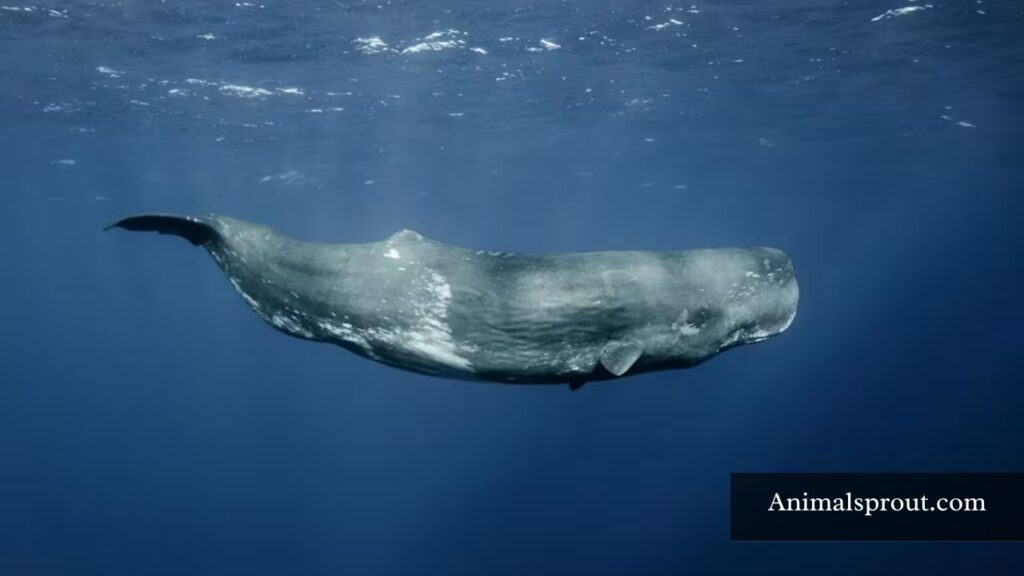
Interestingly, the size of the sperm whale’s brain raises questions about the relationship between brain size and cognitive capabilities. Unlike humans, who utilize a higher proportion of their brain for advanced reasoning and problem-solving, sperm whales have evolved their large brains to support communication and social interaction within pods. Their intricate vocalizations, which can be heard for miles, indicate a rich language system that facilitates cooperation during hunting and strengthens social bonds.
Gorilla
Class: Mammalia
Diet: Herbivore/Omnivore
Gorillas, the gentle giants of the primate world, boast not only physical strength but also impressive cognitive capabilities. With a brain weighing approximately 500 grams, they rank among the smartest animals on the planet. What sets gorillas apart is their ability to learn sign language and engage in complex social interactions, showcasing a level of emotional intelligence that rivals that of humans. Their capacity for problem-solving and tool use, often observed in the wild and captivity, reflects their adaptability and creativity.
Beyond sheer size, the structure of a gorilla’s brain reveals fascinating insights into their social dynamics and survival strategies. Studies indicate that gorillas possess a highly developed prefrontal cortex, which governs decision-making and social behavior. This allows them to form intricate family bonds and establish hierarchies within groups. Interestingly, researchers have found that gorillas exhibit empathy — displaying concern for others’ well-being, an attribute once thought to be exclusive to humans.
Ravens and Crows
Scientific Name for Raven: Corvus corax
Scientific Name for Crow: Corvus brachyrhynchos
Class: Aves
Diet: Omnivore
Ravens and crows, often grouped under the umbrella of corvids, are not only remarkable for their intelligence but also for the sheer size of their brains relative to their body weight. These birds possess a brain-to-body mass ratio comparable to that of some primates, which allows them to engage in complex problem-solving, tool use, and even social interaction strategies that showcase their cognitive prowess. Recent studies have revealed that these feathered geniuses can recognize themselves in mirrors, understand cause-and-effect relationships, and even plan for future needs — traits once thought to be exclusive to mammals.
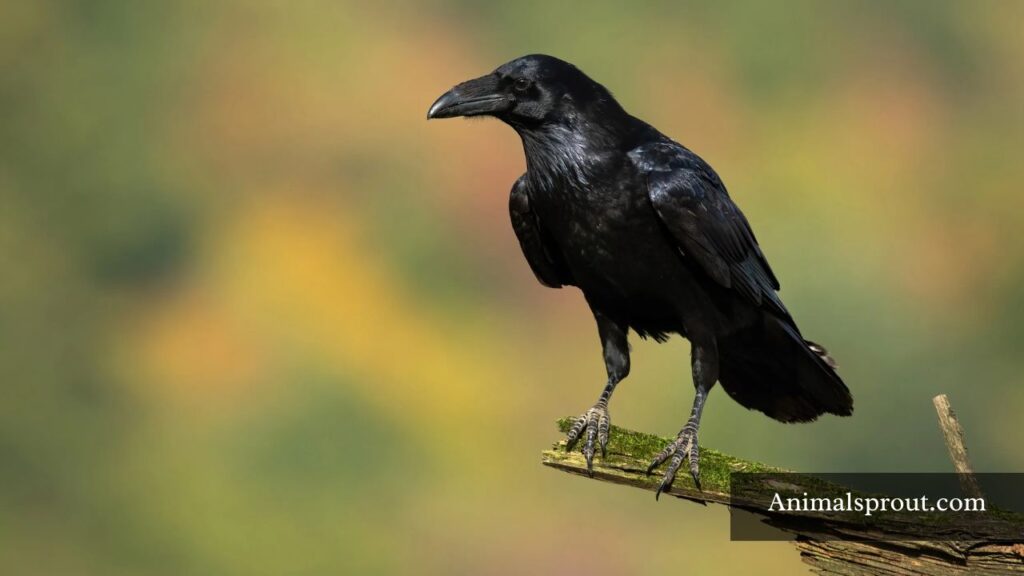
What truly sets ravens and crows apart is their ability to adapt their behavior based on environmental cues. In urban settings, they have been observed using cars to crack nuts, demonstrating not just intelligence but also an impressive level of innovation. Furthermore, their intricate vocalizations and ability to mimic human speech highlight a sophisticated form of communication that suggests a rich social structure.
Rhinoceros
Class: Mammalia
Diet: Herbivore
The rhinoceros, often celebrated for its formidable presence and impressive size, boasts one of the largest brains among land mammals, weighing in at around 400 grams. Despite their bulk, these gentle giants are surprisingly intelligent creatures. Their cognitive abilities are often overshadowed by their physical might, yet studies suggest that rhinos exhibit problem-solving skills and social behaviors that challenge our perceptions of their simplistic nature. For instance, they can recognize individual humans and other animals, showcasing a level of memory retention that speaks to their complex social interactions.
Moreover, the brain of a rhinoceros is not just about size; it’s intricately wired to facilitate their survival in the wild. These animals communicate through a range of vocalizations and body language, indicating a sophisticated form of social networking that aids in navigating their habitats. Interestingly, rhinos have been observed engaging in play behaviors, particularly among younger individuals, which suggests an emotional intelligence that fosters bonding and learning.
Orangutan
Class: Mammalia
Diet: Omnivore
Orangutans, often regarded as the “forest people,” possess not only remarkable physical attributes but also one of the largest brains relative to body size among non-human primates. These intelligent creatures demonstrate a level of cognitive complexity that rivals that of some human children. Their brains, averaging around 400 grams, are packed with neural connections that facilitate advanced problem-solving skills, tool use, and social interactions. Observations have shown orangutans using sticks to extract insects or to access honey, showcasing their ability to innovate and adapt in their natural environment.
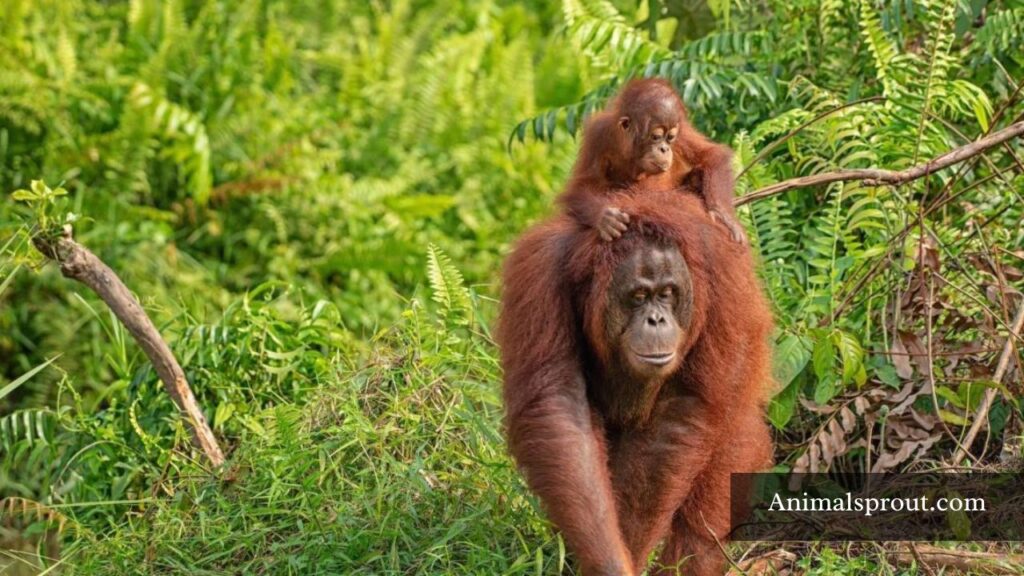
What sets orangutans apart is their impressive memory and learning capacity, which are critical for survival in the dense jungles of Borneo and Sumatra. Research indicates that these primates can remember the locations of fruit trees and other resources over long periods, reflecting an intricate understanding of their habitat. Furthermore, the social structures of orangutan communities highlight their emotional intelligence; they form strong bonds with relatives and display behaviors indicative of empathy and care. As we continue to study these extraordinary beings, it’s essential to recognize their significant role in the ecosystem and the urgent need for conservation efforts to protect their dwindling populations.
False Killer Whale
Scientific Name: Pseudorca crassidens
Class: Mammalia
Diet: Carnivore
The false killer whale, despite its name, is not a true killer whale but belongs to the dolphin family. With a brain weighing around 2.5 kilograms, these remarkable cetaceans exhibit not only impressive size but also extraordinary intelligence. Their social structures are complex and dynamic, often resembling those of human communities. They engage in cooperative hunting strategies and demonstrate intricate communication skills, showcasing a sophisticated understanding of their environment and each other.
Recent studies have revealed that false killer whales display behaviors indicative of self-awareness, such as recognizing themselves in mirrors — an ability shared with only a few other animal species. This cognitive prowess extends to their emotional intelligence; they are known to form strong bonds within their pods, offering support during times of distress, which highlights their capacity for empathy.
Chimpanzee
Scientific Name: Pan troglodytes
Class: Mammalia
Diet: Omnivore
Chimpanzees, our closest living relatives, boast impressive brain sizes that rival many larger mammals when adjusted for body weight. Weighing in at approximately 400 grams, their brains are not just large but also remarkably complex, facilitating advanced cognitive functions such as problem-solving, tool use, and social interaction. What sets chimpanzees apart is their capacity for empathy and emotional intelligence; they exhibit behaviors such as comforting one another during distress, showcasing a level of emotional depth that resonates with human experiences.
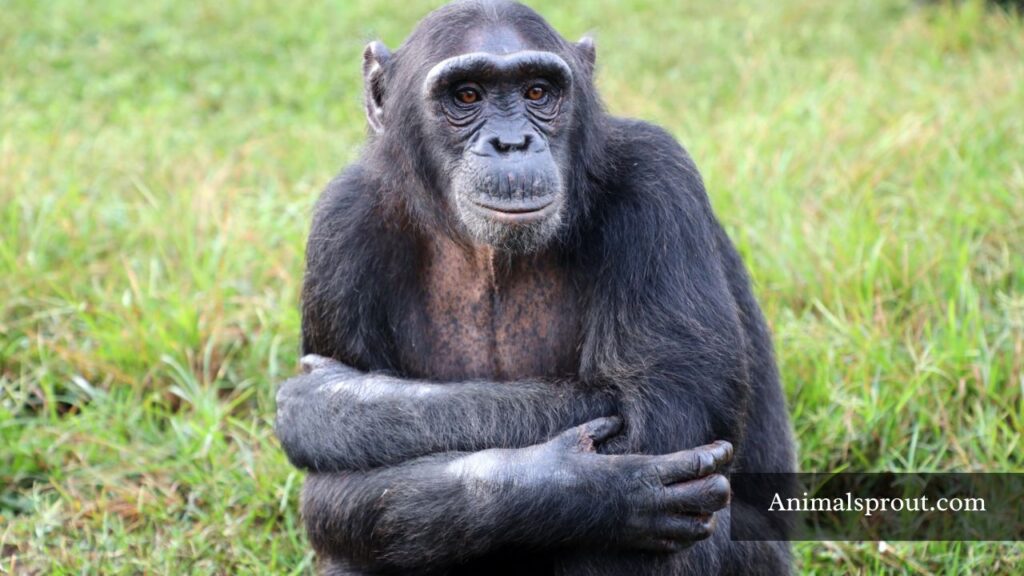
Interestingly, research has revealed that the intricacies of chimpanzee communication extend far beyond mere vocalizations. They utilize a diverse range of gestures, facial expressions, and even postures to convey messages, demonstrating a sophisticated understanding of social dynamics. This nuanced form of communication underscores their intelligence and adaptability within various environments. Furthermore, studies suggest that their learning abilities enable them to pass knowledge down through generations, fostering a culture that reflects both innovation and tradition.
Orca
Scientific Name: Orcinus orca
Class: Mammalia
Diet: Carnivore
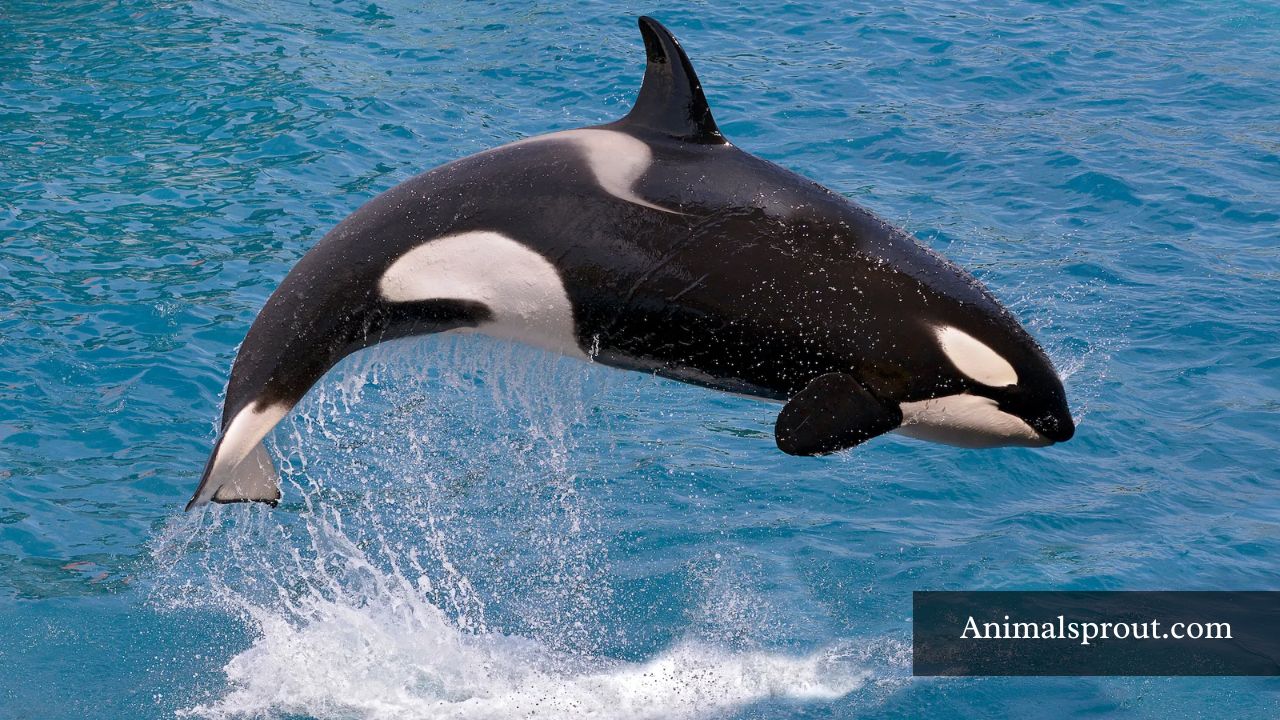
Orcas, or killer whales, possess one of the largest brains in the animal kingdom, weighing in at about 15 pounds (6.8 kilograms). This impressive size is not just for show; it reflects their complex social structures and advanced cognitive abilities. Recent studies suggest that orcas exhibit a level of intelligence comparable to primates, showcasing problem-solving skills, sophisticated communication methods, and even cultural behaviors that vary between pods. Each pod has its own unique dialect, with calls that can signify different meanings and emotional states, indicating a depth of social interaction that is rare in the animal world.
What truly sets orcas apart is their ability to learn from one another, a trait known as social learning. Young orcas often mimic the hunting techniques of their mothers, adapting these methods based on environmental changes and prey availability. This adaptability not only highlights their intelligence but also underscores the importance of social bonds within their communities. As apex predators, they demonstrate strategic hunting strategies that require coordination and teamwork, further evidencing the intricate web of relationships that define orca society. In essence, the brain of an orca is not merely an organ; it’s a gateway into the rich tapestry of life beneath the waves, filled with intelligence, emotion, and connection.
Giraffe
Scientific Name: Giraffa camelopardalis
Class: Mammalia
Diet: Herbivore
Giraffes, with their towering stature and graceful necks, might not be the first animals that come to mind when discussing brain size. However, they possess one of the largest brains in relation to their body size among land mammals. Weighing in at around 1.5 pounds, a giraffe’s brain is a complex organ, equipped to process a wealth of sensory information from their unique environment. This remarkable adaptation allows them to navigate the sprawling savannahs and maintain social structures within their herds.
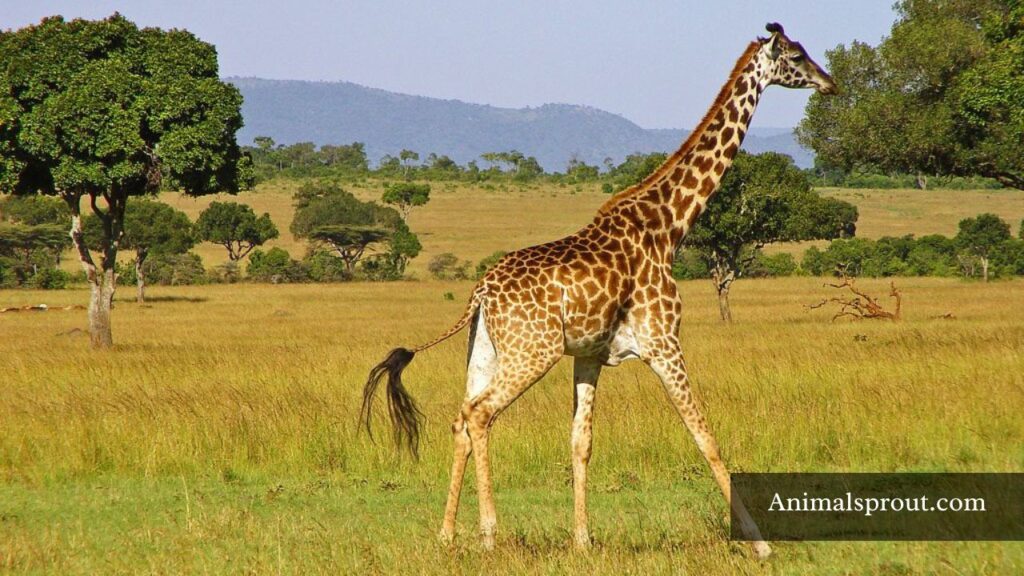
Interestingly, a giraffe’s brain is not just about size; it reflects their evolutionary journey. These gentle giants have developed specialized neural pathways to manage their impressive height, enabling them to balance their long necks and process visual cues from great distances. Their large cerebral cortex is indicative of advanced social behaviors and problem-solving skills, as they often engage in cooperative interactions while foraging or raising their young.
Walrus
Scientific Name: Odobenus rosmarus
Class: Mammalia
Diet: Carnivore
The walrus, with its impressive size and iconic tusks, also boasts a surprisingly large brain relative to its body. Weighing in at around 2.5 kilograms, the walrus’s brain is not just a marvel of nature but a testament to its complex social behaviors and intelligence. Unlike many other marine mammals, walruses display intricate social structures, often seen in large groups where they engage in vocalizations and physical interactions that suggest a rich form of communication. This social complexity might explain why their brains are larger than those of some land mammals, hinting at a level of cognitive sophistication that is often overlooked.
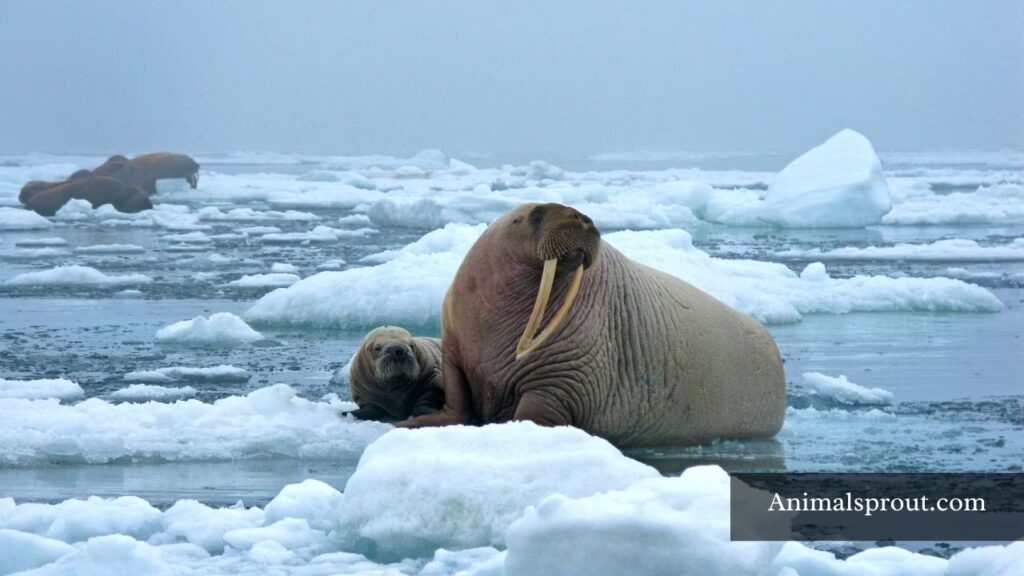
In addition to their social prowess, walruses exhibit problem-solving abilities that are crucial for survival in their icy habitats. They have been observed using tools, such as using their tusks to break through thick ice or to forage for food on the ocean floor. This adaptability not only showcases their intelligence but also emphasizes the importance of brain size in relation to environmental challenges. As climate change continues to impact their natural habitat, understanding the cognitive capabilities of walruses may provide insights into how these magnificent creatures can navigate an increasingly precarious world.
Human
Scientific Name: Homo sapiens
Class: Mammalia
Diet: Omnivore
Humans possess the largest brains relative to body size among all animals, a fact that underscores our unique cognitive capabilities. The human brain weighs about three pounds and is composed of approximately 86 billion neurons, intricately connected by trillions of synapses. This complex architecture facilitates advanced functions such as abstract thinking, problem-solving, and emotional intelligence, setting us apart in the animal kingdom. But what truly distinguishes human brains is not just their size but their remarkable adaptability and capacity for learning throughout life.
Recent studies suggest that the evolution of our brains was driven by social interactions and environmental challenges, rather than merely the demands of survival. Our ability to communicate through language and share knowledge has fostered cooperation and innovation, propelling human societies forward. Additionally, neuroplasticity — the brain’s ability to reorganize itself — enables us to adapt to new experiences and learn new skills well into old age.
Parrots
Class: Aves
Diet: Omnivore
Parrots, often celebrated for their vibrant plumage and social intelligence, possess remarkably large brains relative to their body size. This neurological prowess is evident in their ability to mimic human speech and sounds, but the true depth of their cognitive capabilities goes far beyond mere mimicry. Studies have shown that certain parrot species, such as the African grey, can solve complex puzzles and understand concepts like shape, color, and even numerical values. Their problem-solving skills are comparable to those of young children, showcasing an impressive level of cognitive sophistication.
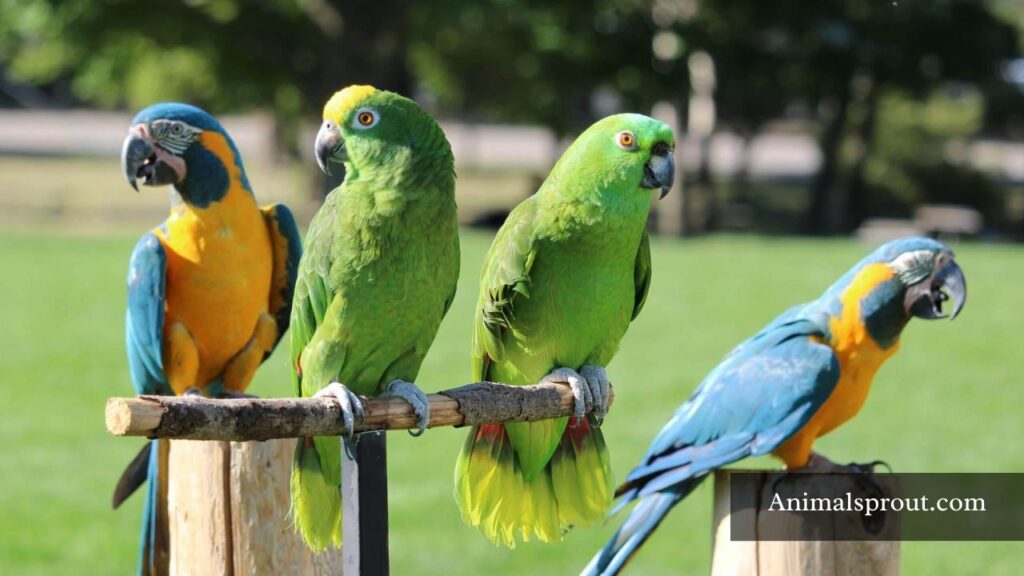
Moreover, the social structures within parrot communities further amplify their intelligence. Living in flocks, these birds engage in intricate social dynamics that require advanced communication and cooperation. This environment not only nurtures their ability to learn from one another but also fosters emotional bonds and social learning.
Bottlenose Dolphin
Scientific Name: Tursiops truncatus
Class: Mammalia
Diet: Carnivore
The bottlenose dolphin, renowned for its intelligence, boasts one of the largest brains in the animal kingdom when adjusted for body size. These remarkable creatures possess a brain-to-body mass ratio that rivals that of great apes and humans, suggesting sophisticated cognitive abilities. What sets them apart is not just the size, but the complex structure of their brains, which includes an extensive neocortex — responsible for higher-order functions like problem-solving and social interactions. This intricate architecture enables dolphins to engage in advanced communication, using a variety of clicks, whistles, and body language to convey nuanced messages.
Beyond their impressive brainpower, bottlenose dolphins exhibit behaviors that hint at emotional depth and social intelligence. They have been observed demonstrating empathy, as they often assist injured or distressed companions in their pods. Their playful nature also reveals a capacity for creativity; dolphins engage in activities like surfing waves and playing with marine debris, indicating an understanding of enjoyment beyond mere survival.
Readmore: Explore Top 18 Animals With Lowest IQ In The World.
Final Words
Animals with the largest brains reveal fascinating insights into the evolution of intelligence across species. From the social complexities of elephants to the problem-solving abilities of dolphins, these animals showcase remarkable cognitive capabilities that continue to intrigue scientists and animal enthusiasts alike. It’s important to recognize that brain size alone does not determine intelligence; rather, it is the structure and function of the brain that play crucial roles.
As we deepen our understanding of these magnificent creatures, we are reminded of the diverse forms of intelligence present in the animal kingdom. Let us continue to explore and appreciate the wonders of nature, advocating for the conservation of these incredible species and their habitats.
FAQs
What animal has the biggest brain?
The animal with the biggest brain is the sperm whale. Its brain can weigh up to about 9 kilograms (20 pounds), making it the largest brain in the animal kingdom.
Which animal has 32 brains?
Leeches are fascinating creatures known for their segmented bodies, and they actually have 32 brains! However, it’s not quite what it sounds like. Each segment of a leech’s body contains a cluster of nerve cells that functions like a brain, allowing the leech to control its movements and bodily functions.
Which animal has the highest IQ?
Chimpanzees are often considered to have the highest IQ among animals, particularly due to their cognitive abilities and problem-solving skills. They can use tools, understand complex social dynamics, and even learn sign language. Their intelligence is closely related to our own, as they share about 98% of their DNA with humans.
Which animal has a zero brain?
Jellyfish are often referred to as having a “zero brain” because they lack a centralized brain or nervous system. Instead, they possess a simple network of nerves called a nerve net, which allows them to respond to their environment and perform basic functions like swimming and feeding. This means they can react to stimuli, but their responses are more instinctual than cognitive.